
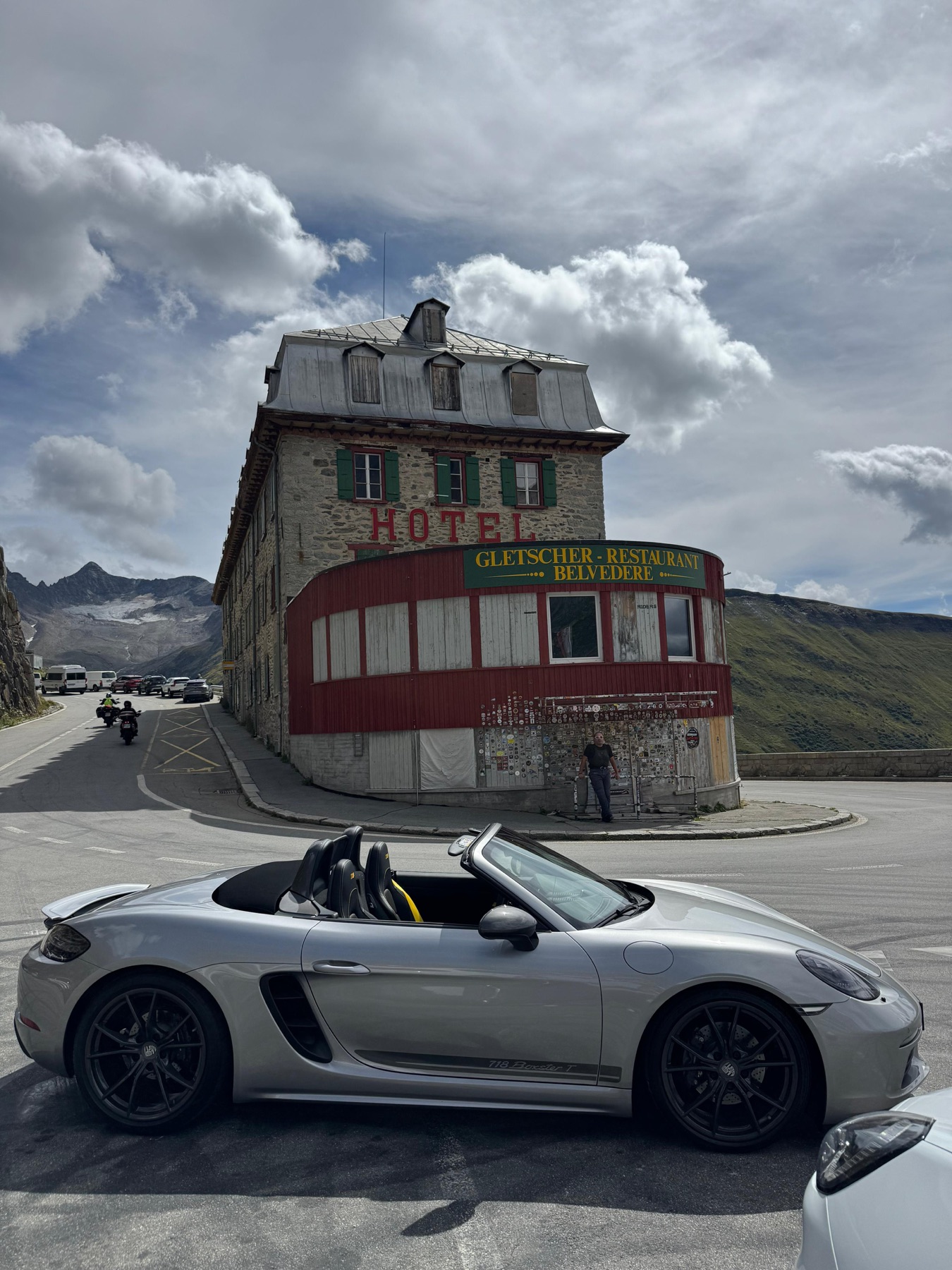
I went to Germany myself to collect the Porsche. I would never pay someone to bring it to me.
How hard is it really to import a car from Germany yourself? The story of my third personal import - Autobahn, Swiss passes and a ferry across the Adriatic - and everything you need to know before you bring your own.
Importing a car from Germany has become an almost everyday thing in Greece. Transporters arrive full, and a growing number of “specialists” offer to collect and deliver the car on your behalf.
The truth is that the process is far simpler than most people imagine. And more importantly, you lose something when you let somebody else make the journey for you.
When the car arrives on a truck, you take delivery of an object. When you bring it yourself, you take delivery of a story.
This is the story of my third personal import from Germany. Of the Porsche 718 Boxster T waiting for me outside Frankfurt, and of a trip that ran through Autobahn, Swiss passes, Italian motorways and a ferry across the Adriatic.
It is also, I hope, the simplest guide there is for anyone thinking of bringing a car over themselves and wondering whether it is worth the trouble.
The listing
The original plan was simple: step up from the two-litre 718 to a GTS 2.5, or even a 4.0. The market disagreed. Prices had climbed noticeably and there was far less choice than I expected.
Which is how a Saturday afternoon in August found me grinding through mobile.de instead of swimming with my friends.
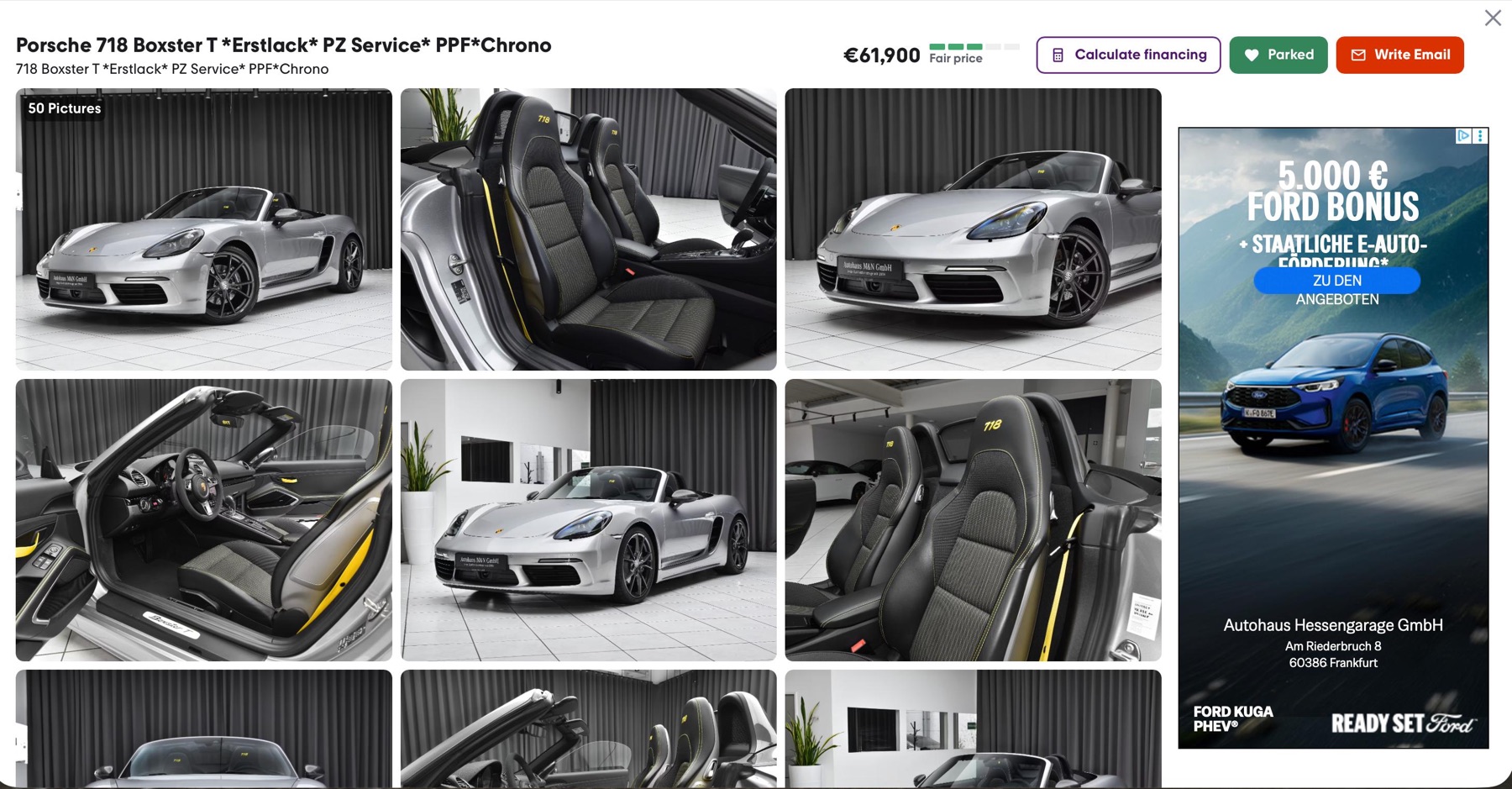
For anyone who doesn't know it, mobile.de is the Mecca of European car listings. If you are importing, my first piece of advice is to set the filter to “Dealer Only”. A professional dealer knows the export process, handles nearly all the paperwork, and takes a lot of risk off the table.
The second thing to check is the reviews. In Germany they are tied to real transactions, which makes them a reasonably trustworthy signal.
And somewhere in there, a Porsche 718 Boxster T in GT Silver appeared. The dealer was Autohaus M&N, with more than 500 five-star reviews. The price was sensible, the car looked new, and the version was exactly what I was after.
The 718 T isn't simply a better-equipped Boxster. It is the version for people who put feel above horsepower and gadgets. Sports suspension, shorter gearing, and equipment chosen around the driver: probably the purest expression of “less is more” in the 718 range.
That same afternoon I was already messaging the dealer on WhatsApp. I still remember writing: “Please reserve the car until Monday for me.” His reaction was almost funny. Who buys a Porsche on a Saturday in August?
The usual questions followed immediately. Accidents, service history, repainted panels, previous owners. Then I asked for the chassis number and ran a CarVertical check for a first look at its history.
A few days later the dealer booked an inspection at an official Porsche centre and sent me a detailed video with a paint meter over the entire car. The result? Ten out of ten.
The customs broker
If there is one person you absolutely need in Greece, it is a customs broker. Before any purchase goes ahead, you need to know exactly what customs and registration tax will cost.
Registration tax is the “ticket” a car pays to get Greek plates. It isn't calculated from what you paid, but mainly from taxable value, CO₂ emissions and emissions standard. Plug-in hybrids are treated significantly better; electric cars better still.
Dimitris, my broker, has now been involved in all three of my personal imports. Within minutes he could tell me whether a listing was worth it and what the real cost would be once the car landed in Greece.
And believe me, that can be the difference between a good buy and a very expensive trap.
The paperwork
This is far simpler than most people think. If you work with a serious dealer, almost everything will be ready.
The documents you need: • Certificate of Conformity (CoC) • Zoll export permit • German registration document with export deregistration • TÜV • Purchase invoice • Proof of payment
Most dealers will prepare all of it and walk you through exactly what is required.
The decision
Even though everything looked ideal, I remember standing outside the bank a few days later, hesitating. I had just sold a Porsche 718. And I was about to buy another Porsche 718.
“What am I doing?” I thought. I left without making the transfer.
I slept on it for another day. And somewhere in there I understood that however much I had been looking for something different, my heart still belonged to this mid-engined German convertible.
The next day I made the transfer. The tickets were booked. And the adventure began.
The journey
I landed in Frankfurt on a Tuesday morning. All I could think about was seeing the car. The photographs may have been excellent, but we all know reality doesn't always agree with the listing.
Twenty minutes later I was at the showroom. Kasim and his brother were already waiting.
And then I saw the Porsche. I won't hide it. I was floored.
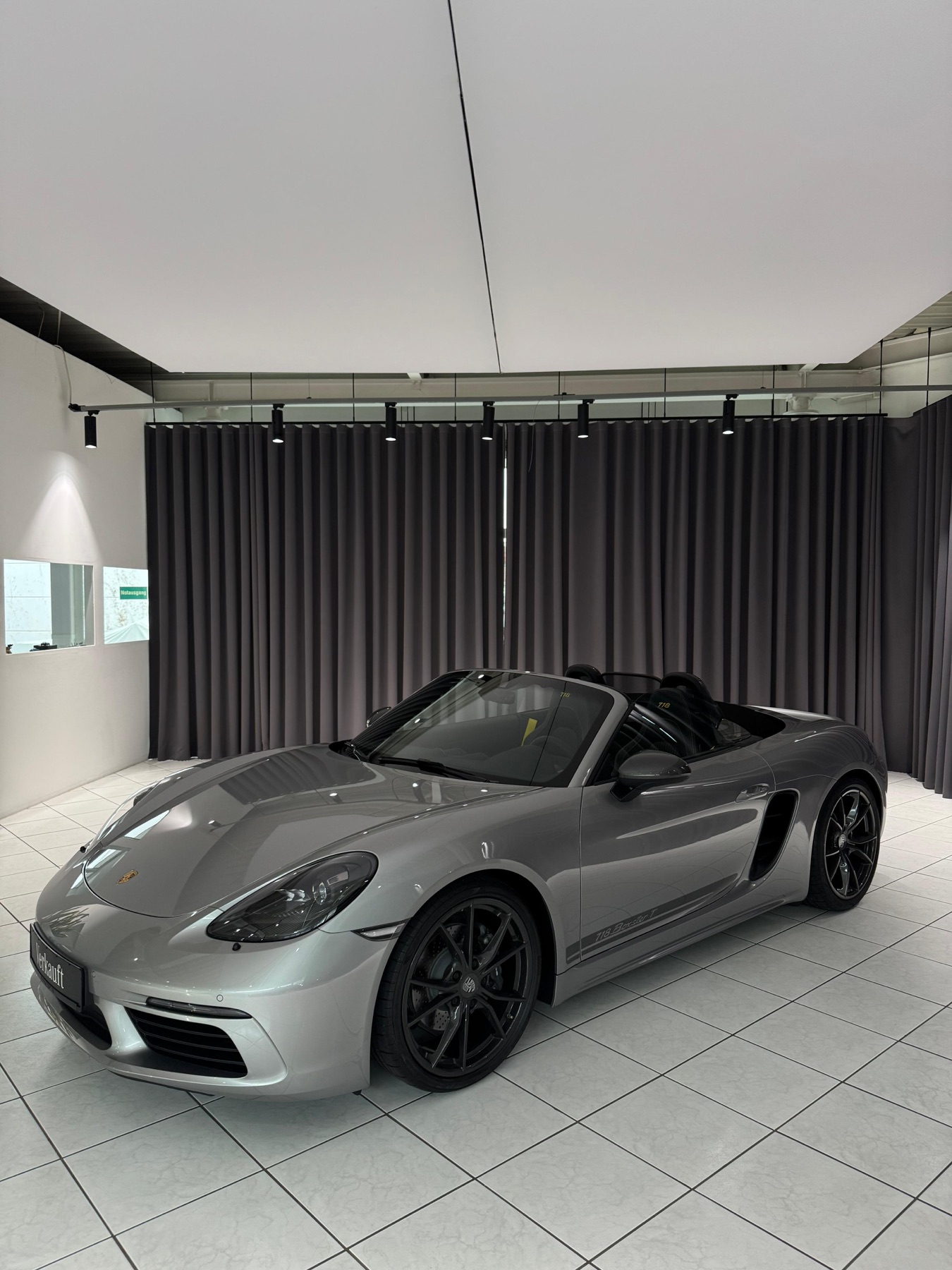
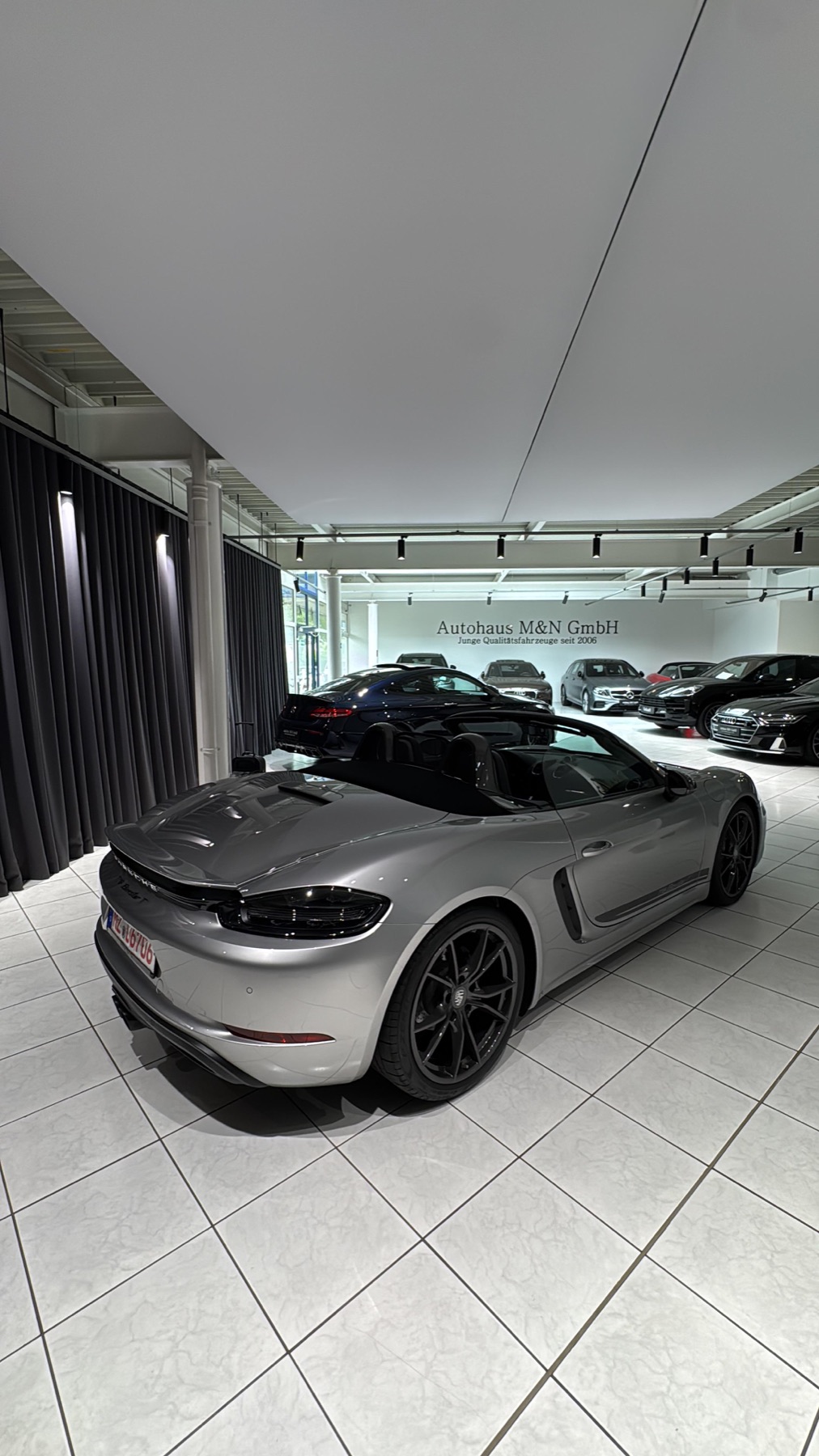
The car was even better than the photographs. Its condition was genuinely exemplary, and within seconds I had thrown my suitcases aside to pore over the interior.
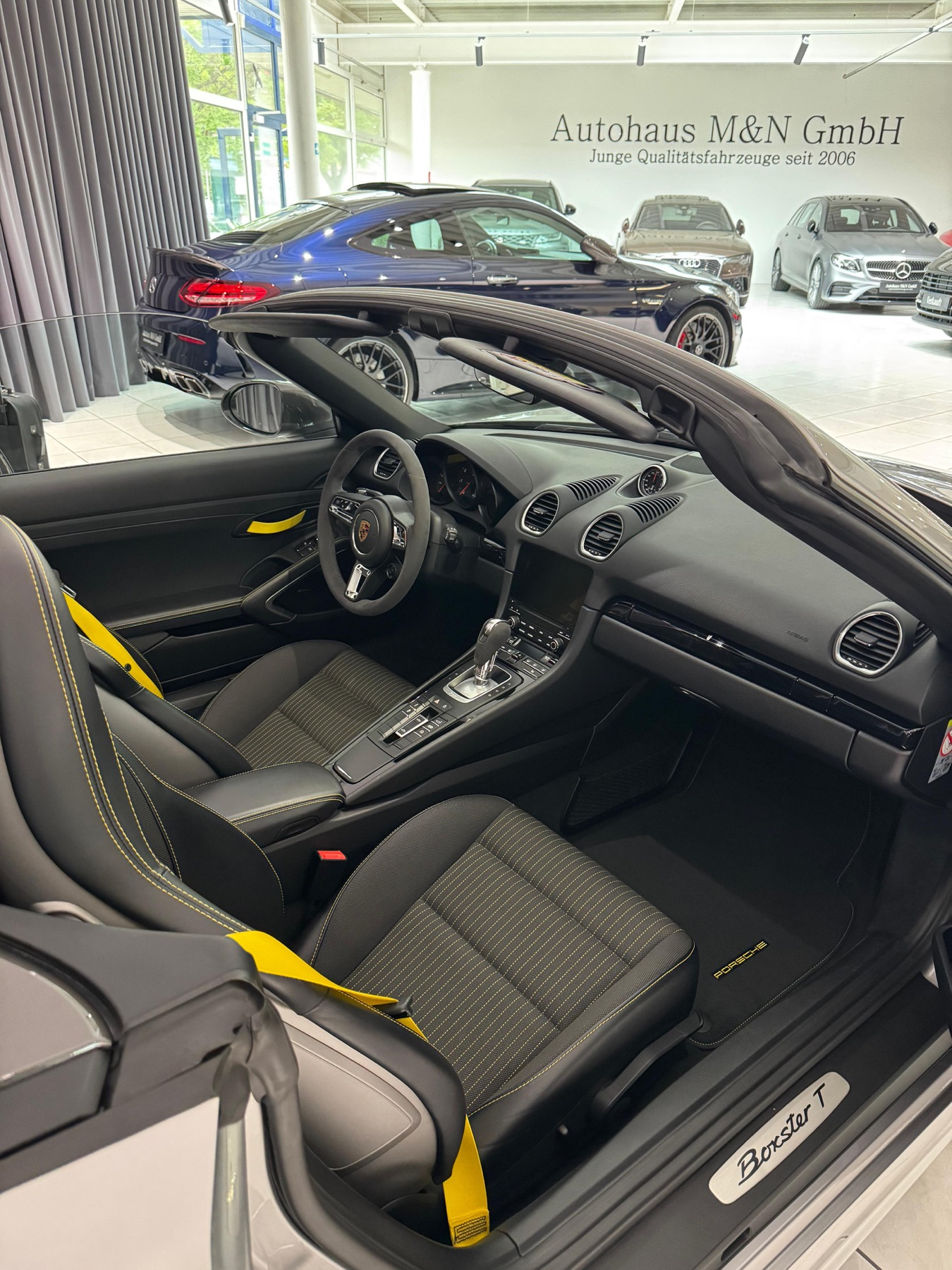
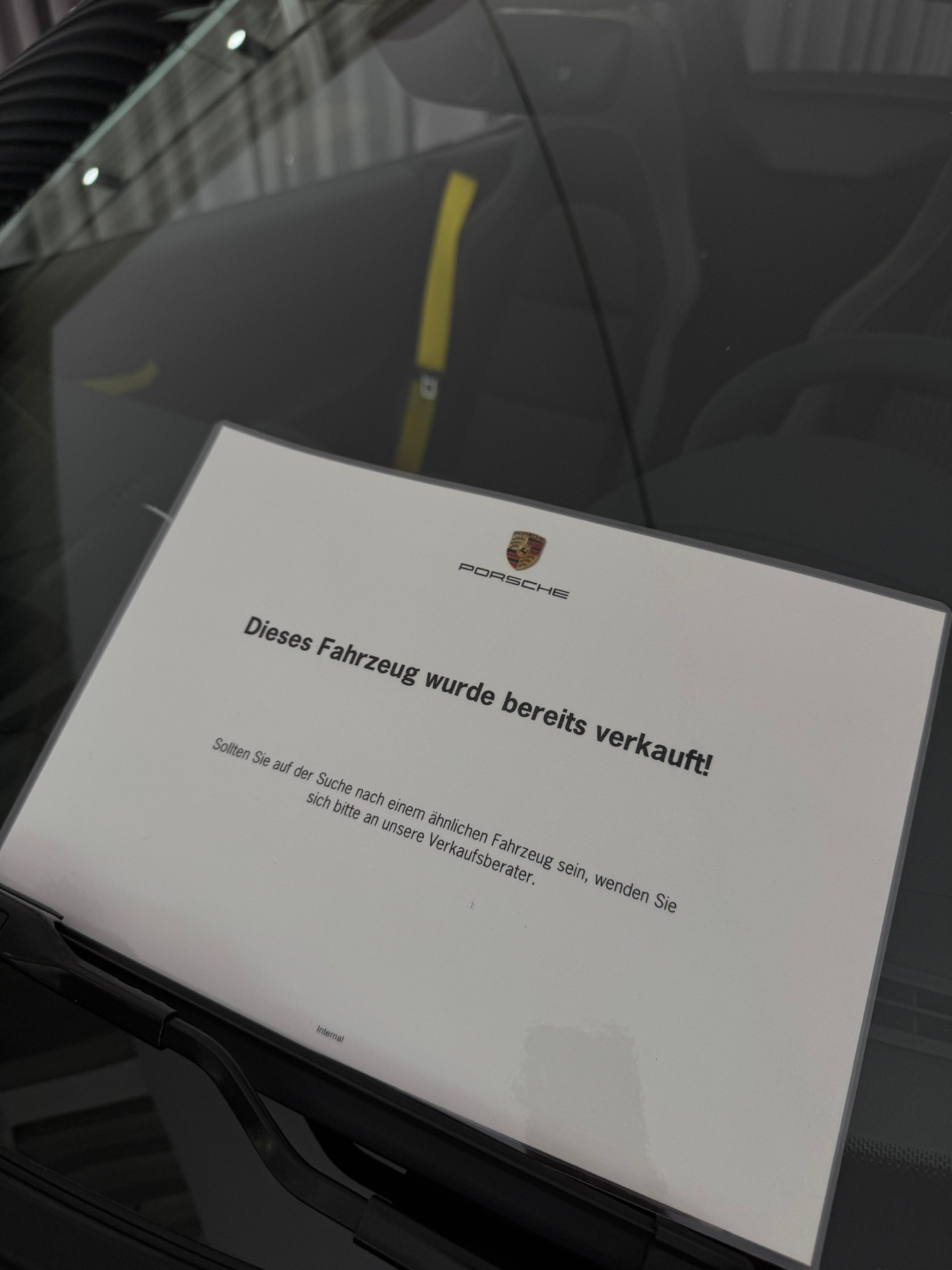
While I explored every detail, Kasim had gone to issue the famous Zoll plates. Zoll are temporary German export plates, bundled with insurance, that let you drive the car to its destination country.
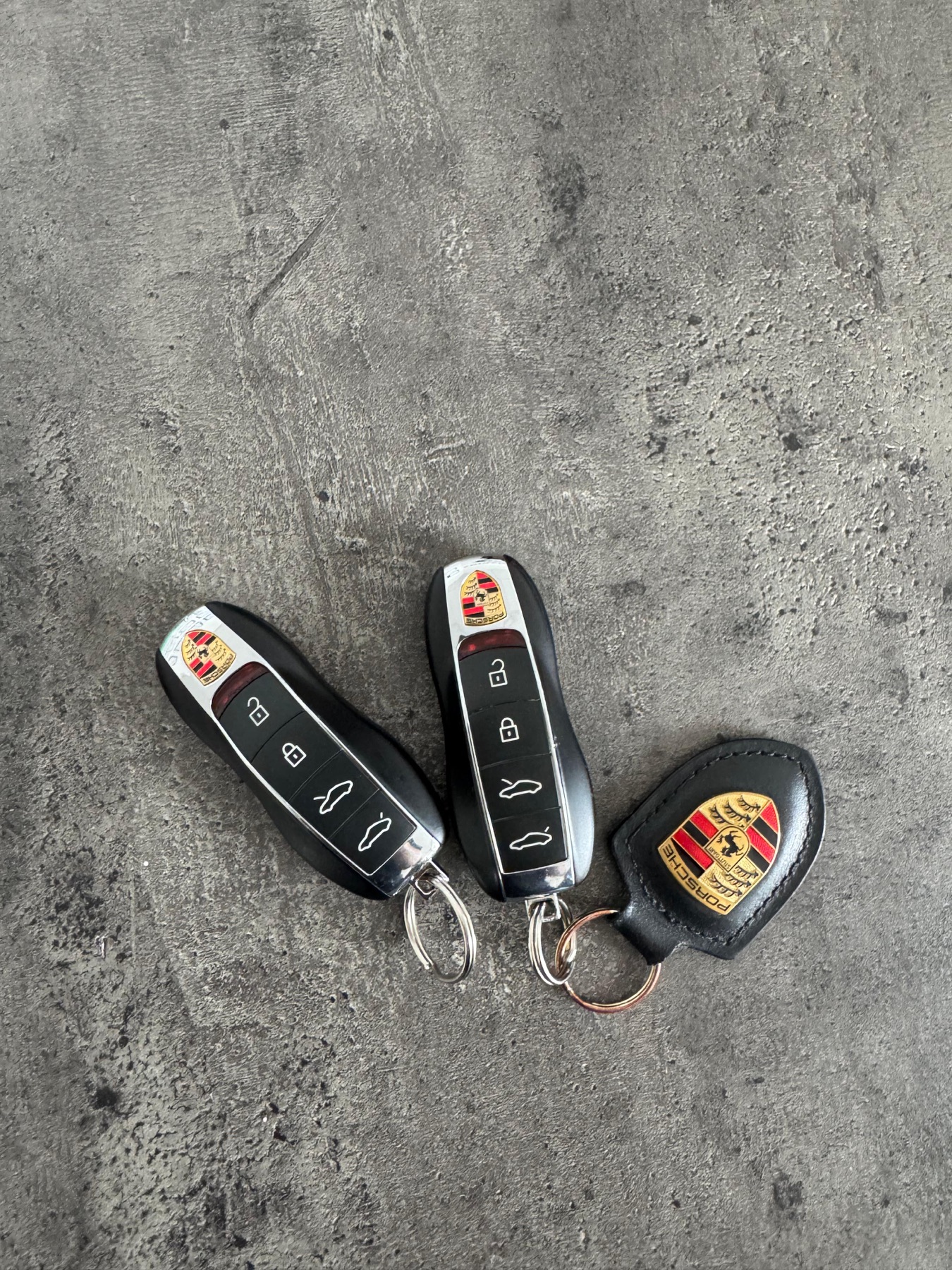
And that is how the road trip began. The plan was simple: be in Ancona by Thursday afternoon. Everything else was open.
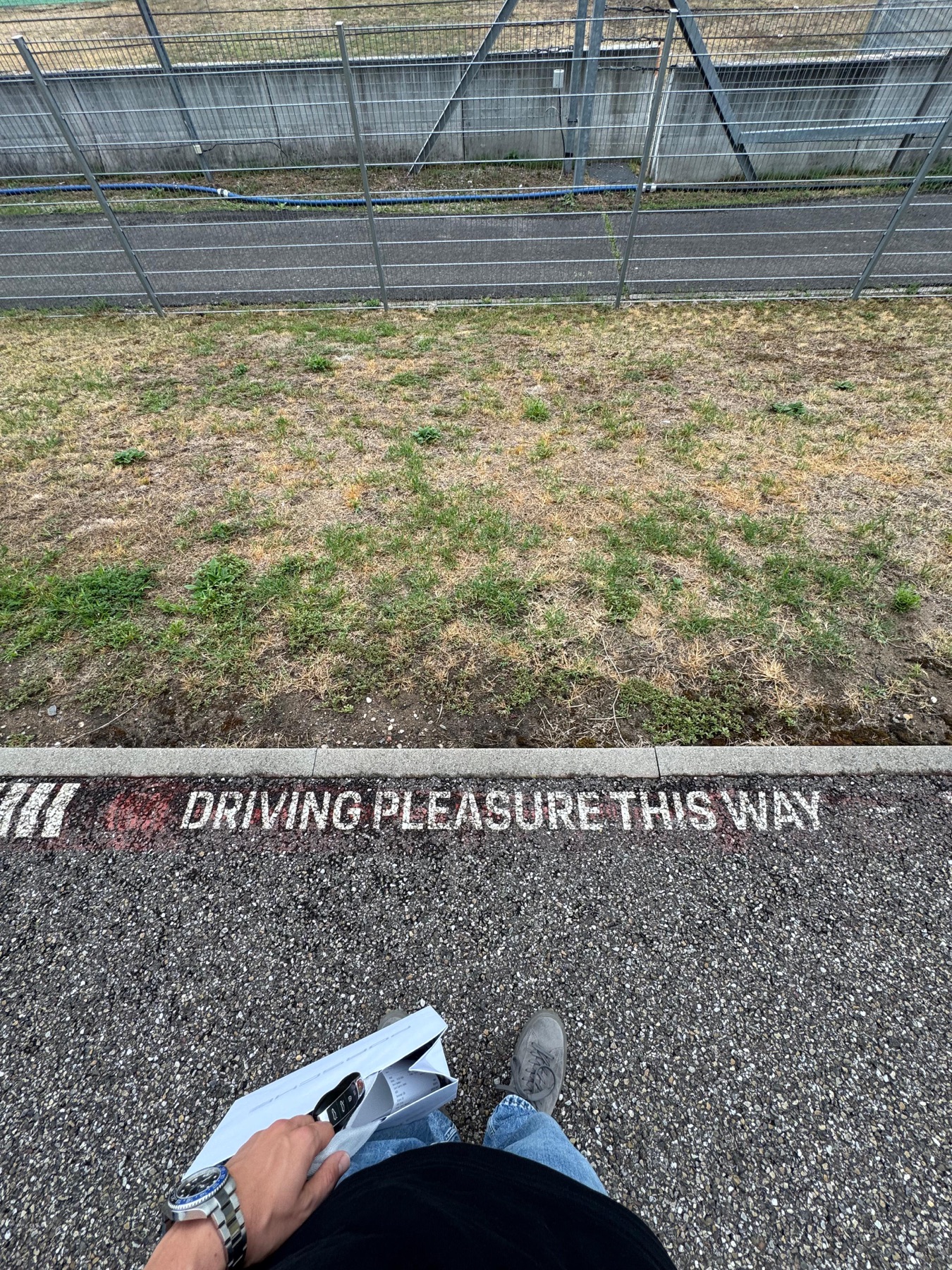
Evening found us in Basel. The only rule for hotels was secure parking: Zoll plates come with third-party cover only, and peace of mind at night has its own value.
The first day passed almost entirely in the rain.
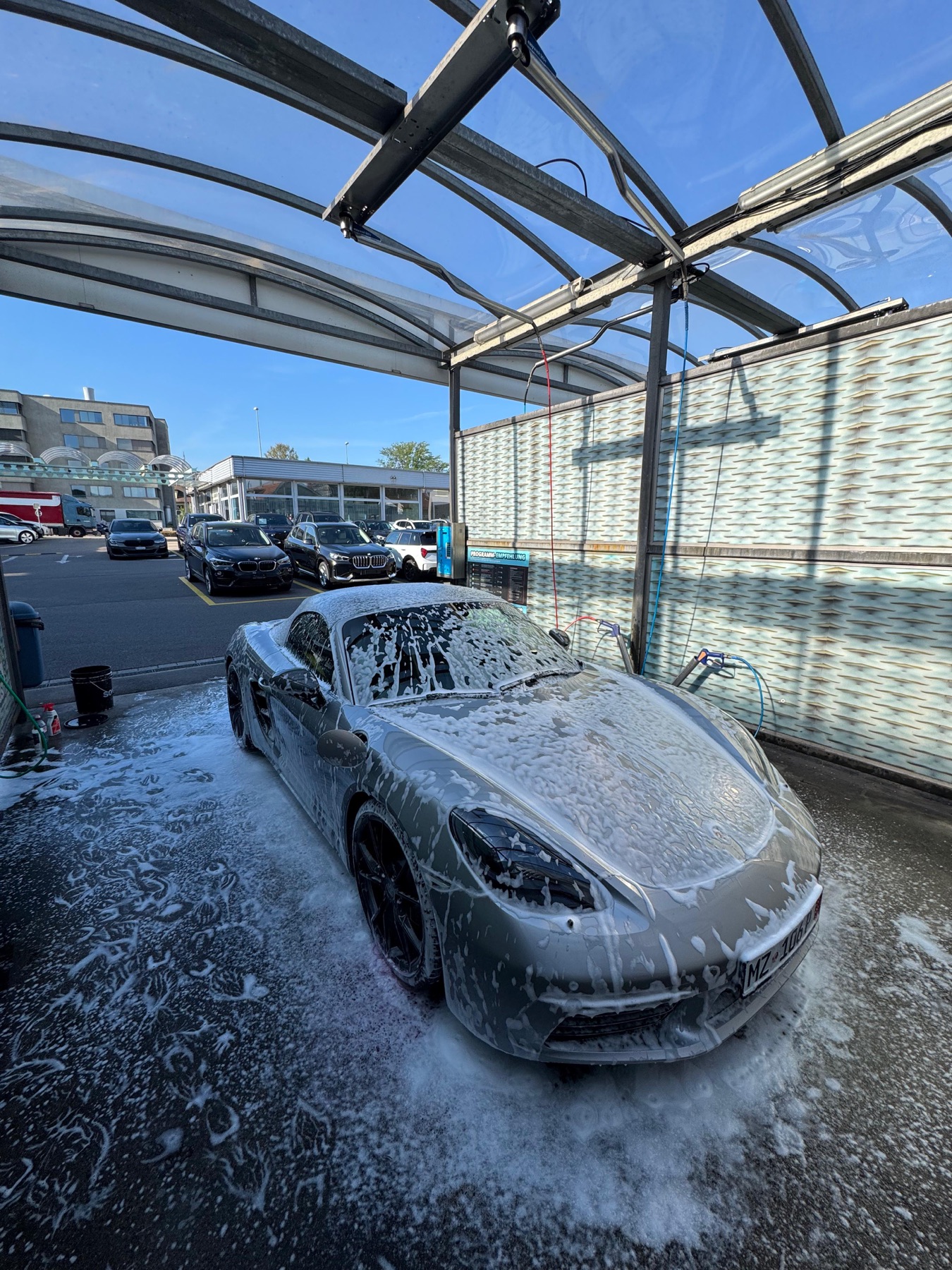
The next morning, with the sun finally out, I found myself at a self-service car wash in Switzerland cleaning the car. Not because it really needed it. But because I couldn't stand seeing dirt on a Porsche I had collected hours earlier in showroom condition.
And that is how what was probably the finest day of the trip began.
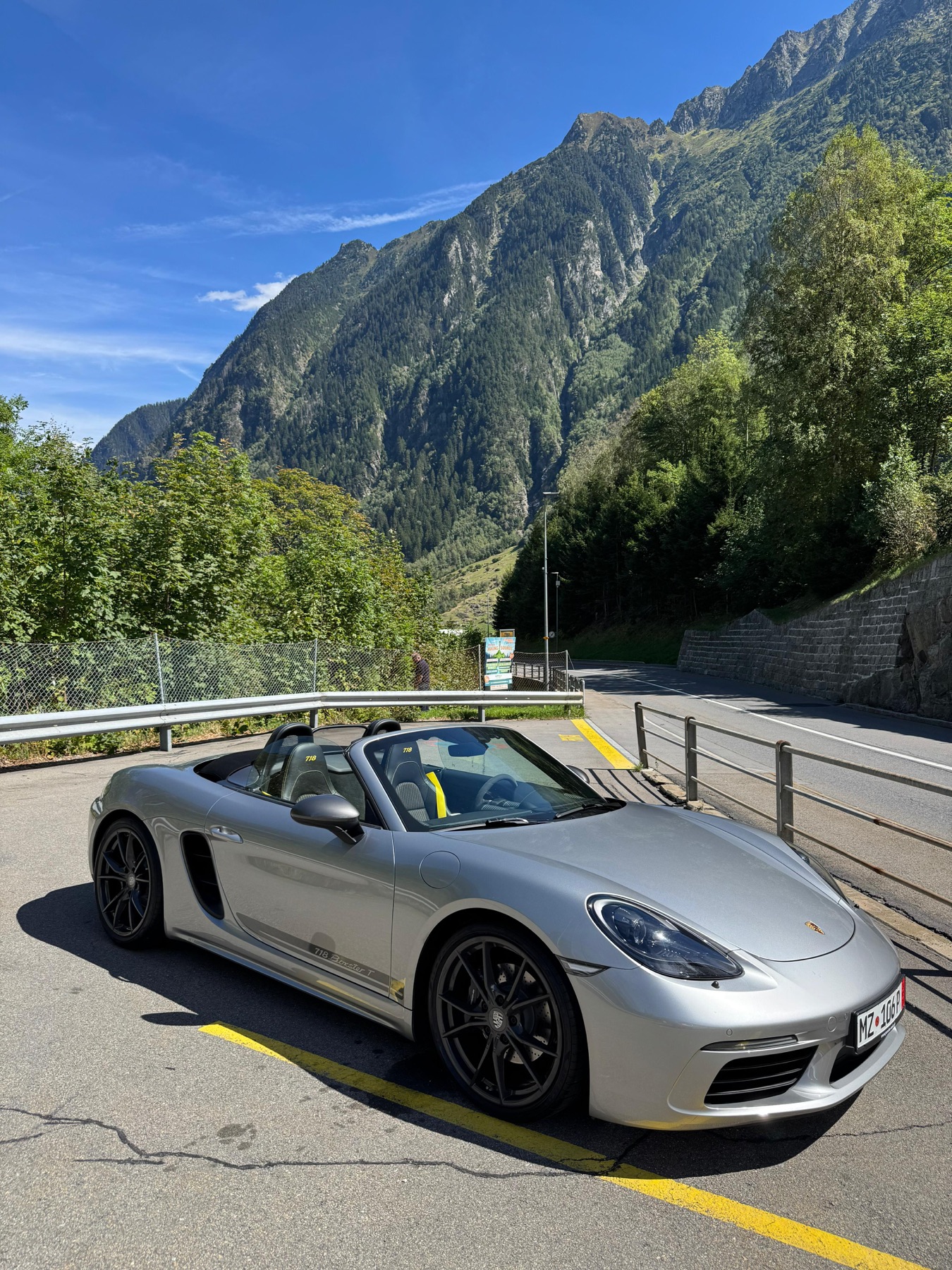
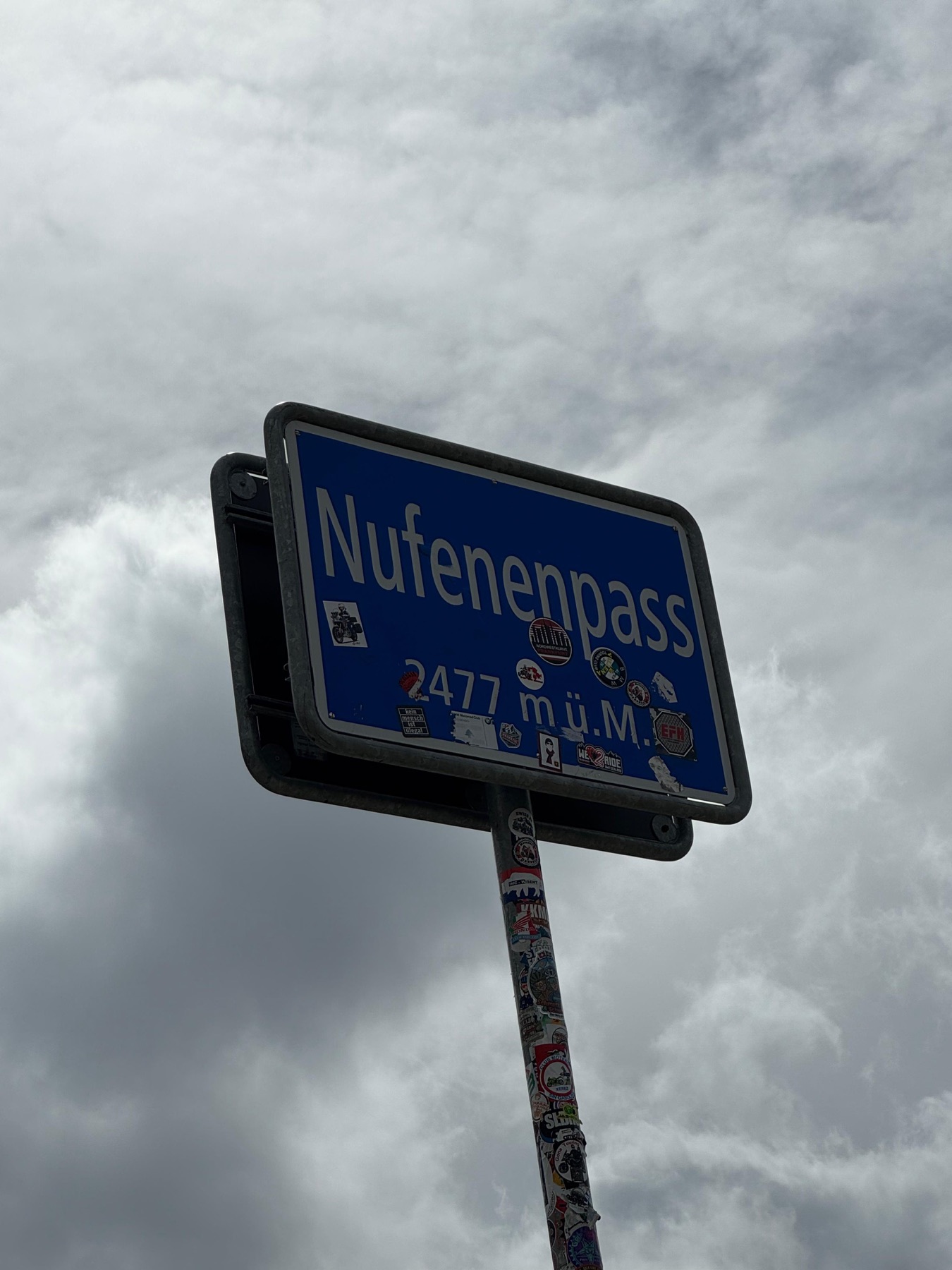
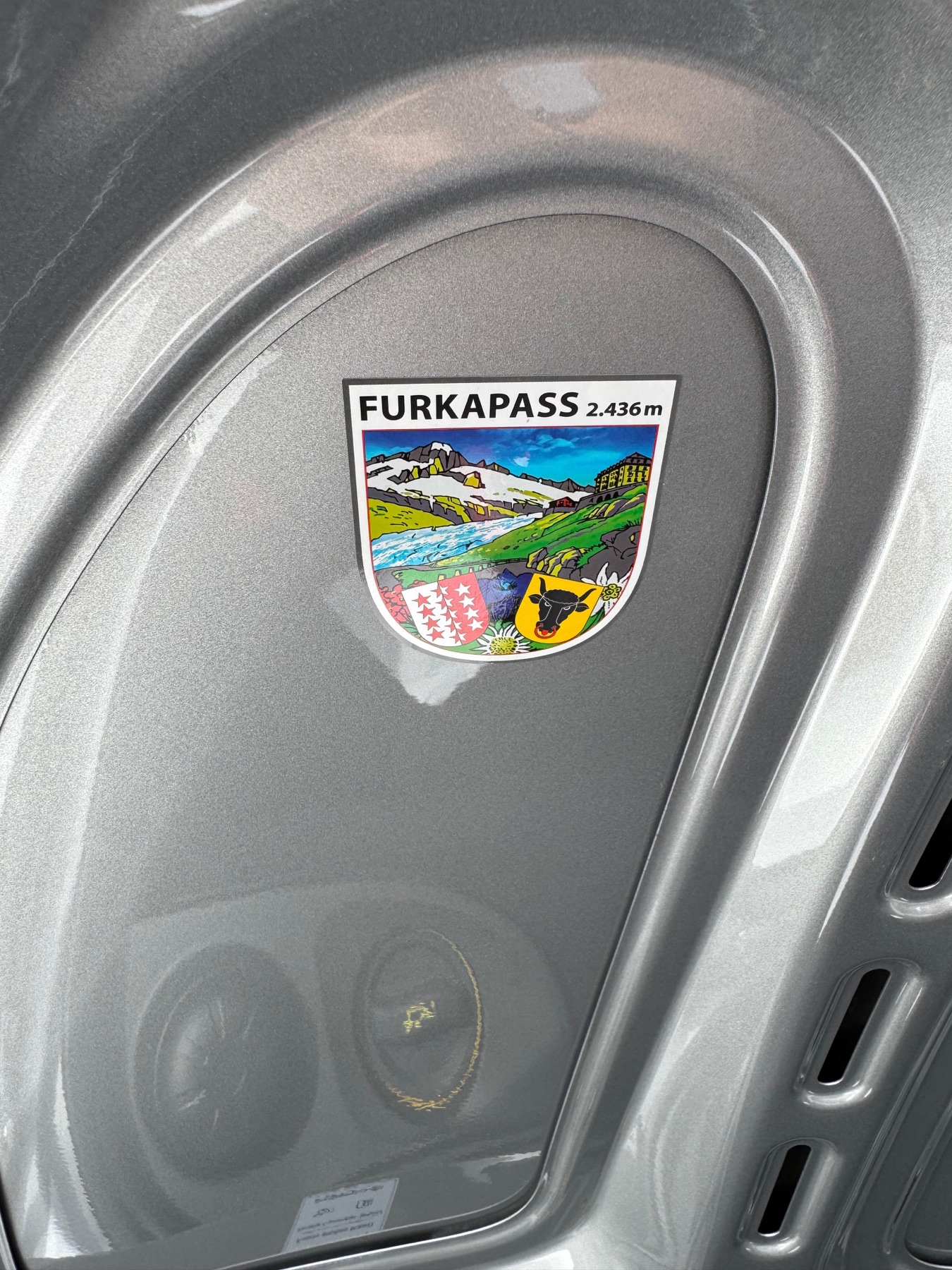
GT3s, GT4s, Ms, RSs, motorbikes, classics, and people who had simply come out to enjoy the road. Not for lap times. Not for photographs. Just for the driving.
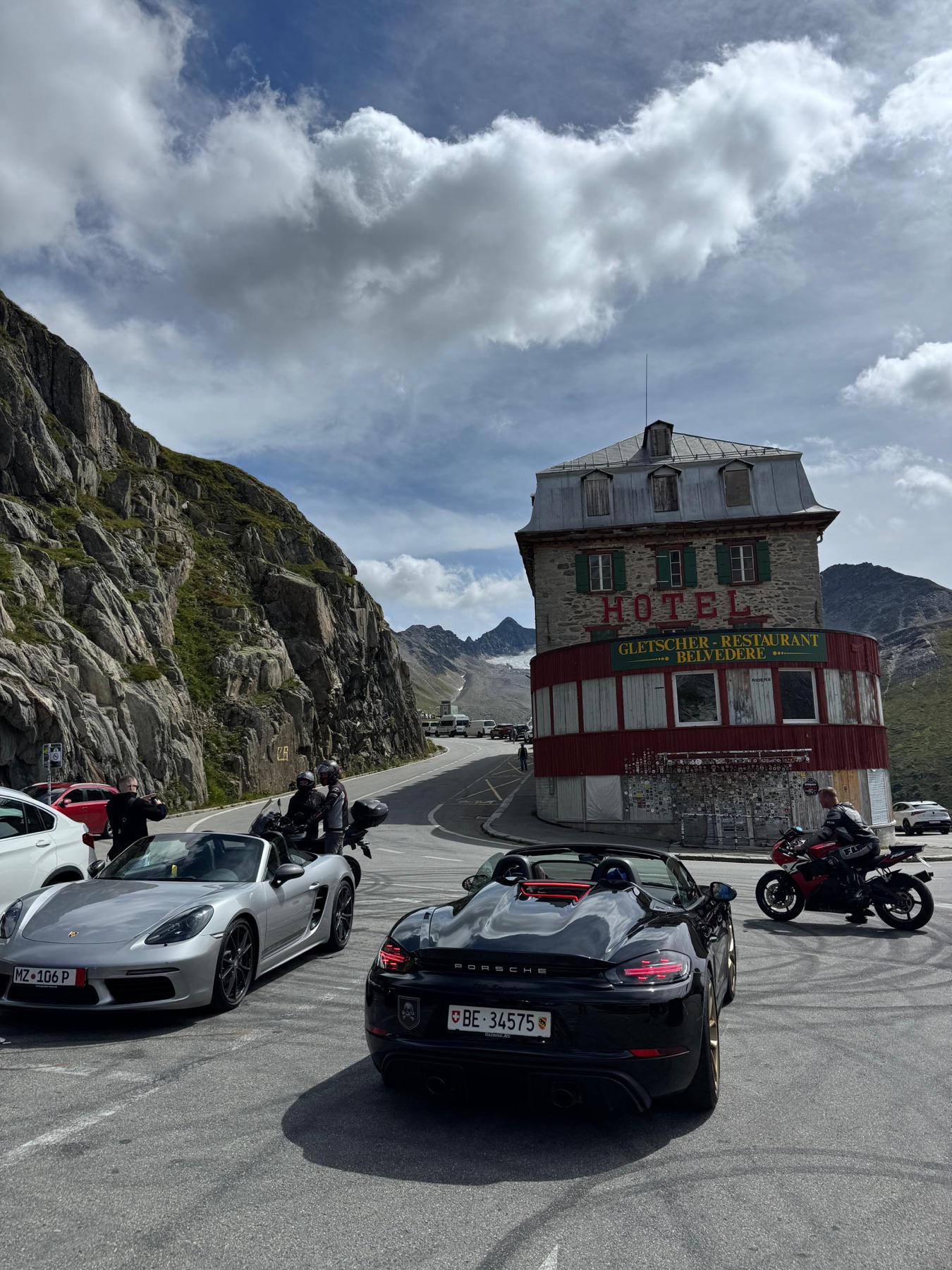
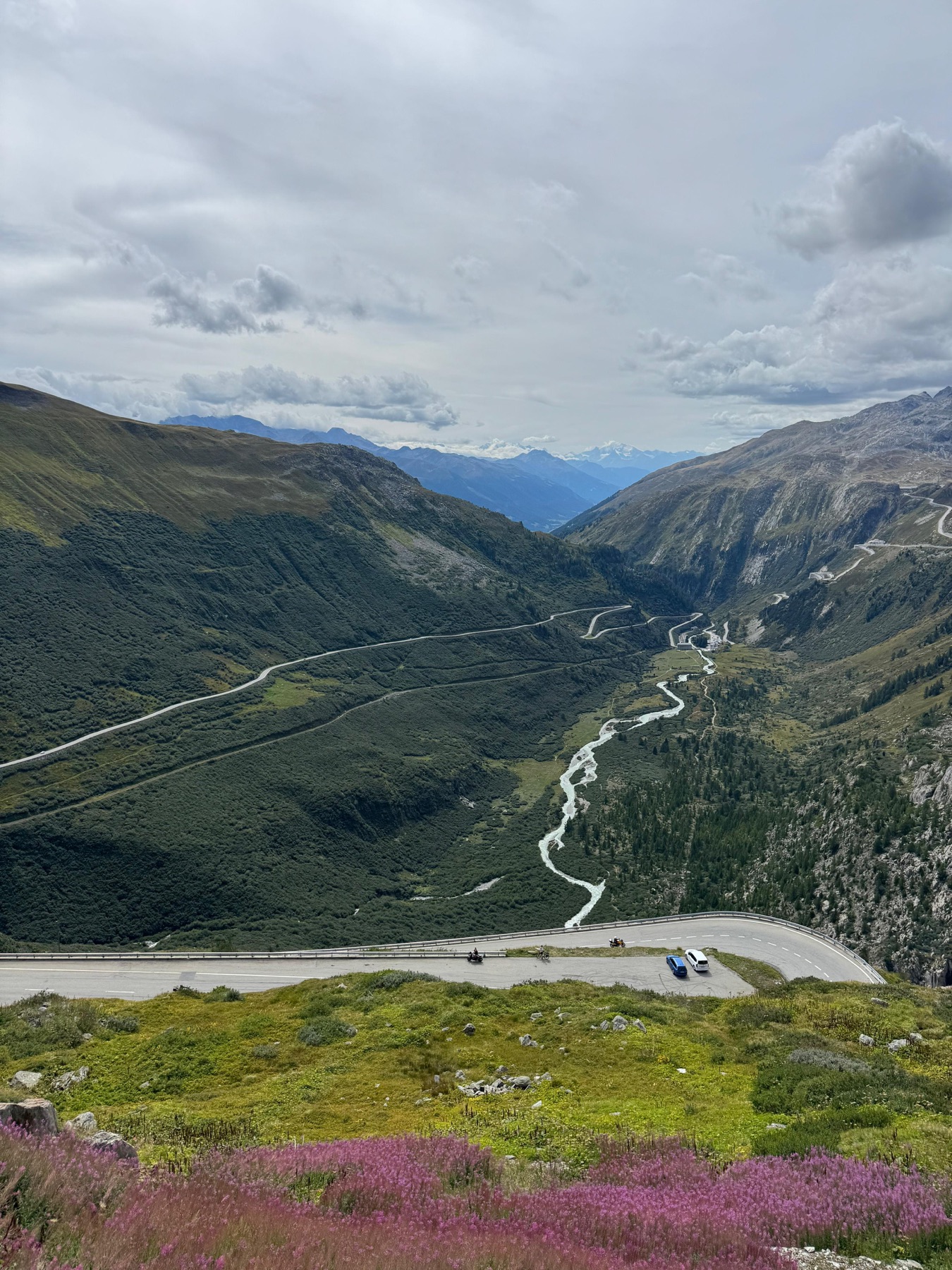
We stopped for coffee, looked at the view, made a few more stops and carried on. It is one of those days where you don't remember the kilometres. You only remember the images.
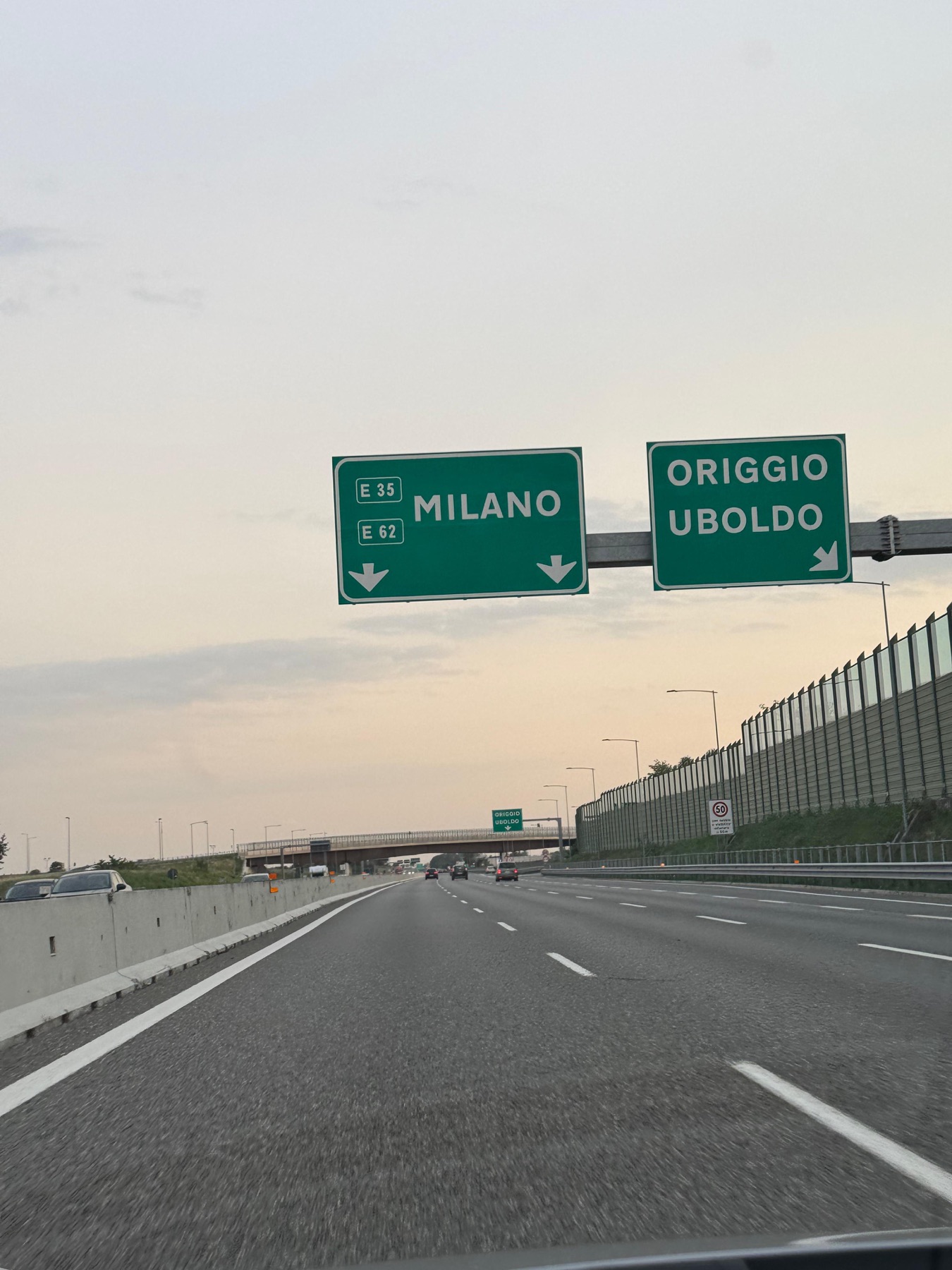
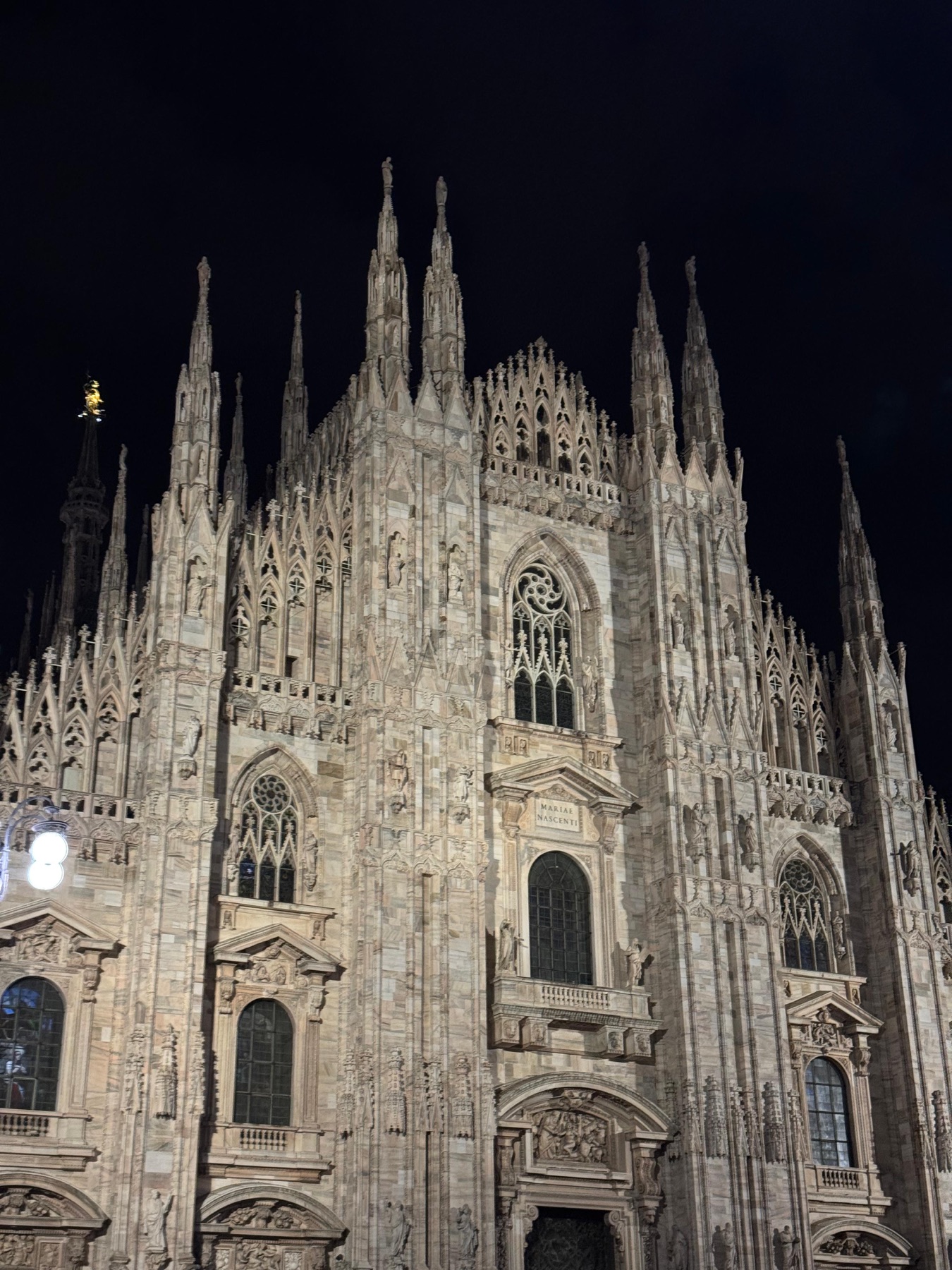
Evening found us in Milan. And the next morning, on the road to Ancona.
In the afternoon we boarded the ferry for Greece. If there is one place worth spending a little extra, it is the cabin. After roughly 1,500 kilometres of driving, a bed isn't a luxury. It is a necessity.
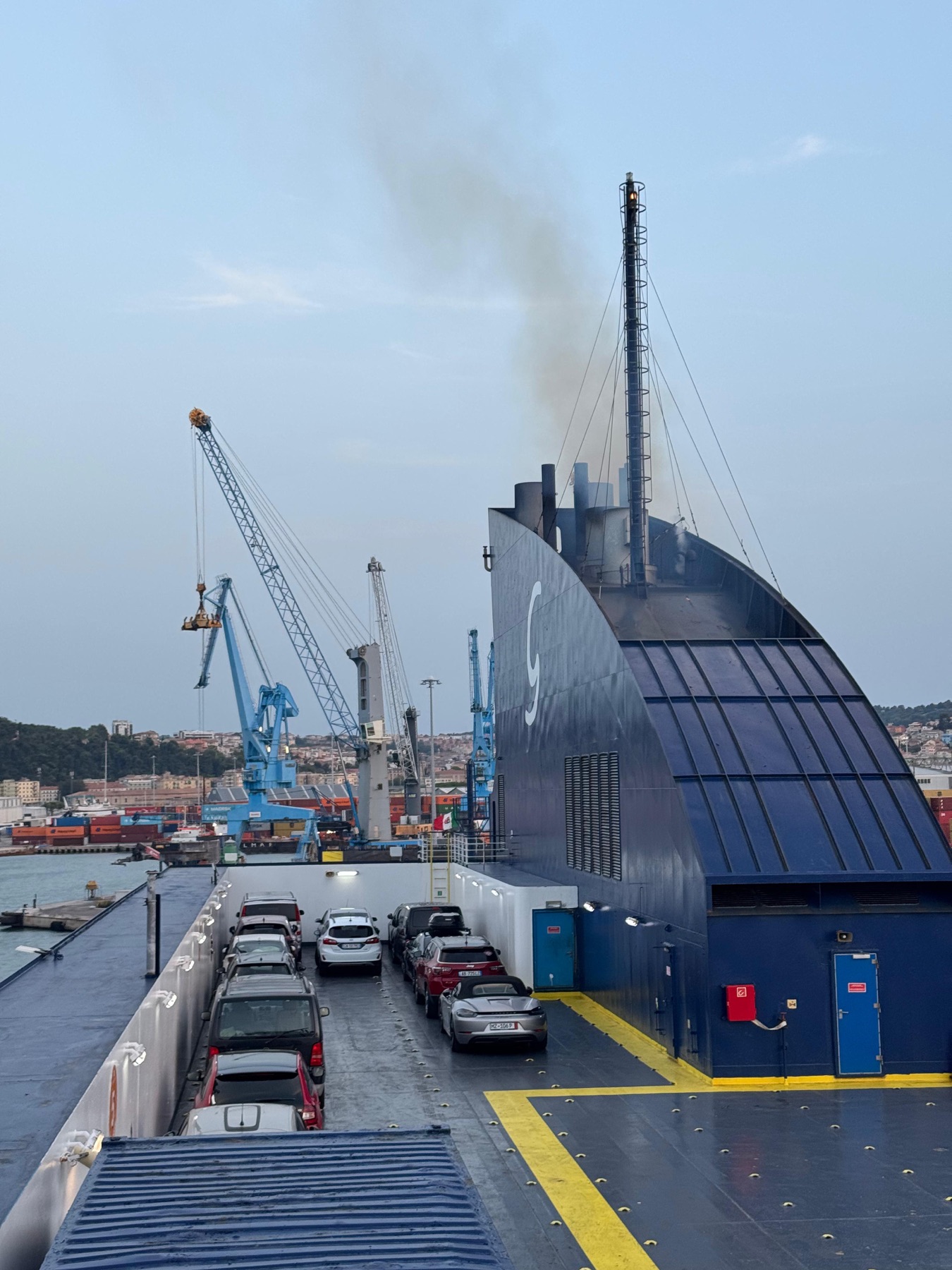
And so ended the journey of a Porsche that started as a listing on mobile.de and, days later, was on its way to Greece.
Frequently asked
›How much does it cost to import a car from Germany?
The purchase price is only part of it. Add registration tax - calculated not from what you paid but mainly from taxable value, CO₂ emissions and emissions standard - plus flights and travel costs if you collect the car yourself. A customs broker can tell you the real landed cost within minutes, before you commit to anything, and that is what separates a good buy from an expensive trap.
›What paperwork do I need to import a car from Germany?
Certificate of Conformity (CoC), the Zoll export permit, the German registration document with export deregistration, TÜV, the purchase invoice and proof of payment. A serious dealer will prepare nearly all of it and walk you through the rest.
›What are Zoll plates?
Temporary German export plates. They come bundled with insurance and let you legally drive the car to its destination country. Note that the cover is third-party only, which is why it is worth choosing hotels with secure parking.
›Is it safe to buy a car on mobile.de?
Yes, with two precautions. First, filter to \u201cDealer Only\u201d: a professional dealer knows the export process and handles the paperwork. Second, read the reviews - in Germany they are tied to real transactions. Also ask for the chassis number to run a history check and, if possible, an inspection at an official workshop with a paint meter.
›How long does the drive from Germany to Greece take?
Comfortably, three days of driving plus a night on the ferry. Frankfurt to Ancona is roughly 1,500 kilometres and leaves room for stops on the Swiss passes. Two days is possible if you rush, but then you lose the exact reason you went in person.
›Is it better to drive it back or use a transporter?
Financially the gap is often smaller than you would think once transport costs are counted. The real difference is elsewhere: a transporter delivers an object, while driving it back means the first kilometres are yours. For pure transport it may not matter; for the car you spent years looking for, it does.
So, is it worth it?
After three personal imports, my answer is clear. Yes.
Not only because the process is easier than most people think. Not only because the financial difference against a transporter is often smaller than you imagine. But because the car is not only the object you buy. It is also the story you will live with it.
There is a tendency in Greece to pay somebody else to collect the car and drive it back. I have never understood it. In effect you are paying someone to have an experience you could have had yourself.
He will see the Alps. He will make the stops. He will put on the first kilometres. And you will simply take the keys.
If we are talking about pure transport, perhaps it doesn't matter. But if we are talking about the car you have been hunting for months or years, then those first kilometres are worth as much as the purchase itself.
Because somewhere inside those first kilometres a bond starts forming that is hard to explain to anyone who doesn't love cars. The car stops being a listing. It becomes an experience. It becomes a memory. It becomes a story.
I wouldn't change this way of importing for anything. Because at the end of the day I didn't just bring a Porsche back from Germany. I brought back a story.
And that was our first drive together.
Comments
Sign in to comment
- No comments yet. Share your thoughts.
Related stories
LONDON TO TUSCANY IN A PORSCHE 911: THE ROAD TRIP YOU HAVE TO DO ONCE IN YOUR LIFE
Fifteen days, 2,500 kilometres, a silver 911 Carrera GTS, and Alessandra in the passenger seat. From London, through the Eurotunnel, Paris and Burgundy, to the hairpins before Tuscany - with a stop at a French petrol station that nearly ended it all. Part one of two.Read the story
SPORTSCAR TOGETHER DAY: WHEN WAS THE LAST TIME YOU TOOK THE CAR OUT JUST TO DRIVE?
Sportscar Together Day is Porsche's worldwide celebration for everyone who loves driving. Its philosophy is simple: "Get Out and Drive". Three friends, three GT Silver Porsches, three girls who put up with us, the Serres circuit and three Trackspeed Mazda MX-5s. This was our own version of Sportscar Together Day 2026 in Greece.Read the story
IS BUYING A CLASSIC CAR ACTUALLY WORTH IT? A 55-YEAR-OLD ITALIAN HAS THE ANSWER.
Every time someone comes over and tells me one more story, it is as if an invisible passenger climbs in for a while. A father. A mother. A brother. An old friend. Or simply a much younger version of the person standing in front of me.Read the story
If you'd like to write your own story - submit it here