
Is buying a classic car actually worth it? A 55-year-old Italian has the answer.
Every time someone comes over and tells me one more story, it is as if an invisible passenger climbs in for a while. A father. A mother. A brother. An old friend. Or simply a much younger version of the person standing in front of me.
An incurable romantic in life, and even more so with his cars. From the island of Crete, where Alte Strada Garage brings together enthusiasts of passion-built delicate machines. That is also where you can see the collection.
Choosing to buy a historic car is not always an easy decision. In truth it is a small leap into the unknown. A coming-of-age moment, with an uncertain outcome and even more uncertain consequences.
And so, in one of those moments of clarity and inward reflection - helped along by my wife's relentlessly positive spirit and a glass of Riesling in a bar in Frankfurt - I took the leap.
A text to the thoroughly likeable owner: “We are OK. I'll take her!”
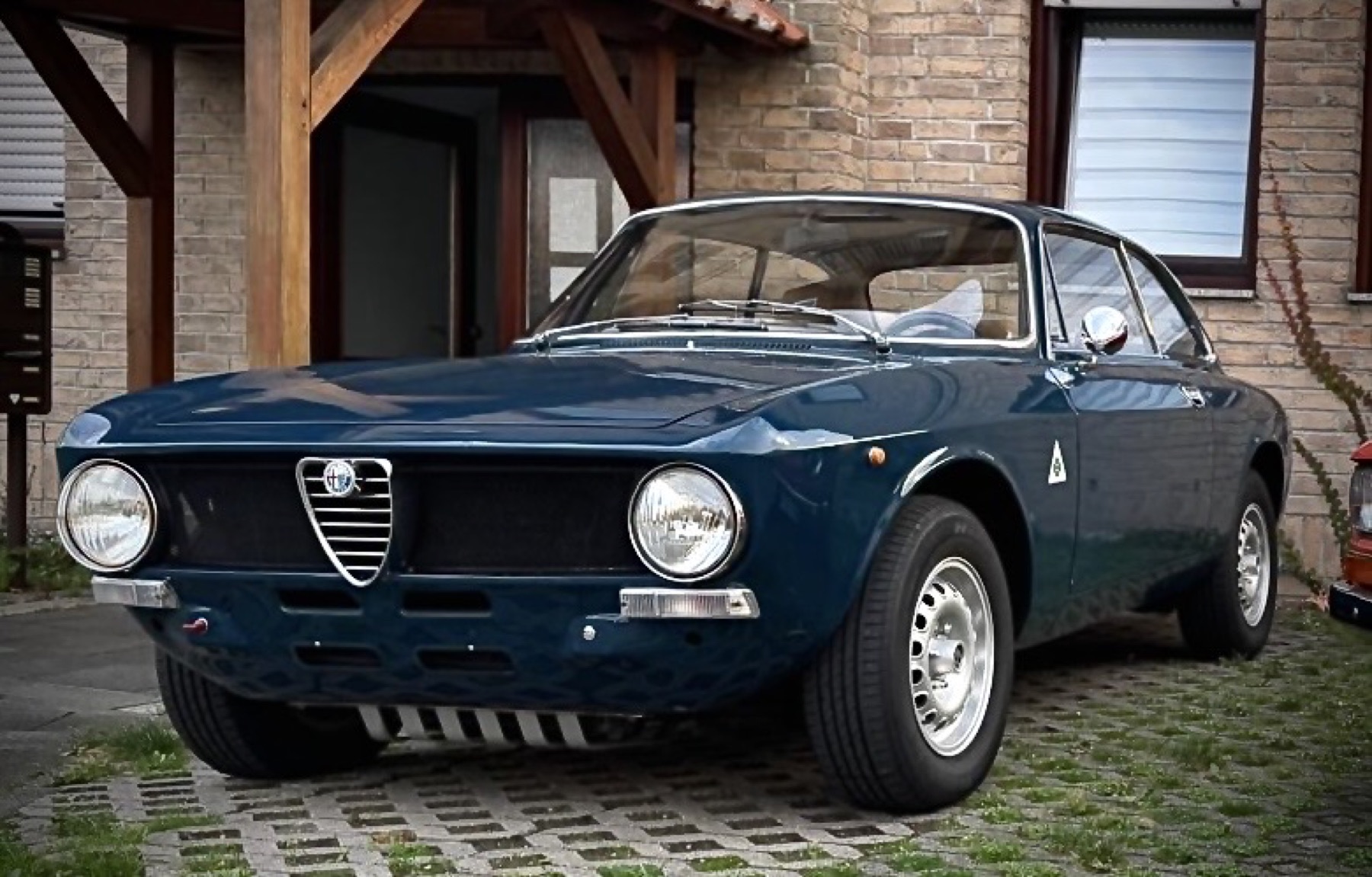
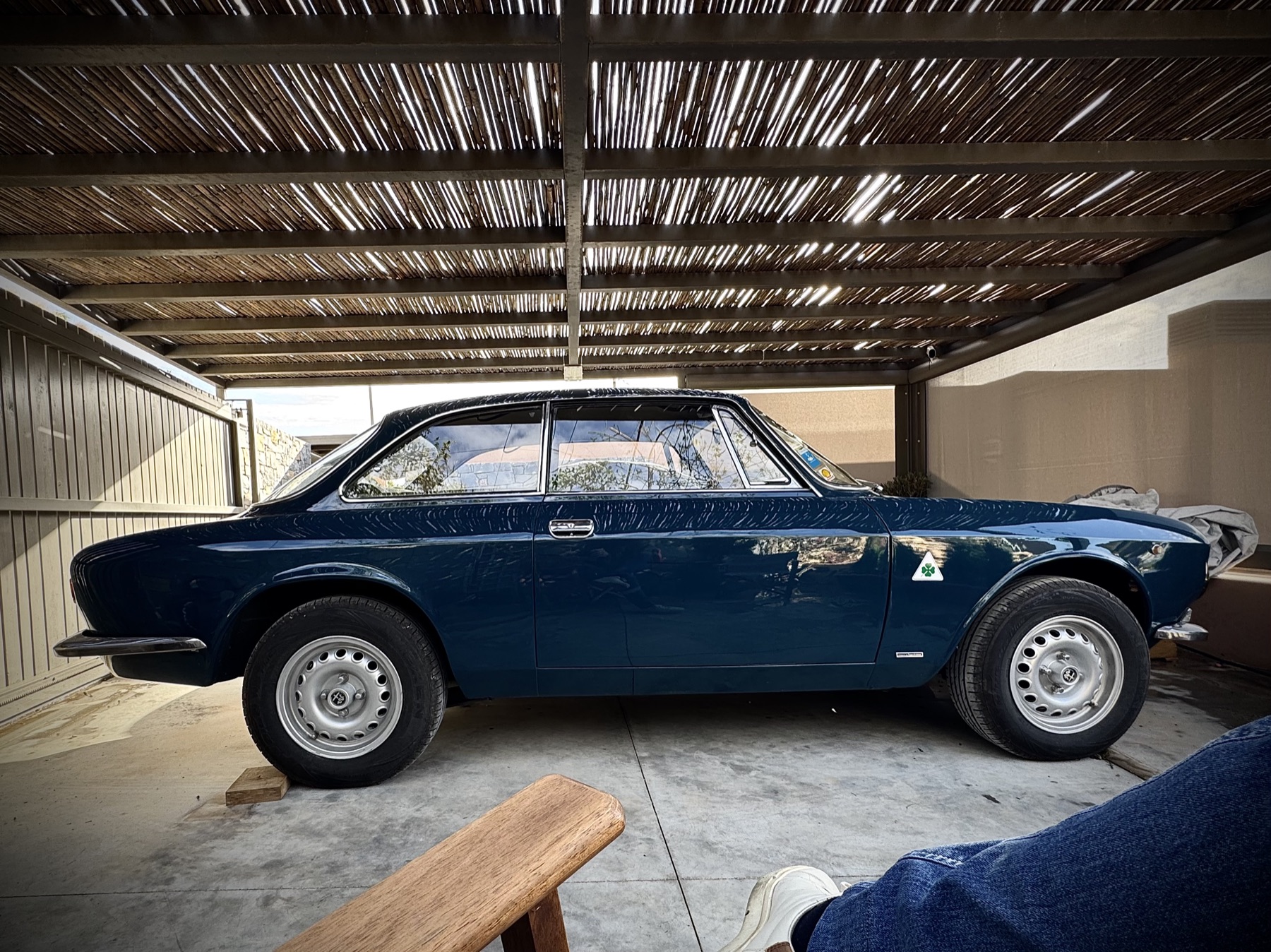
Alfa Romeo GT 1300 Junior. Bertone. 1971. Not red, but in Alfa Romeo's far more interesting Bluette.
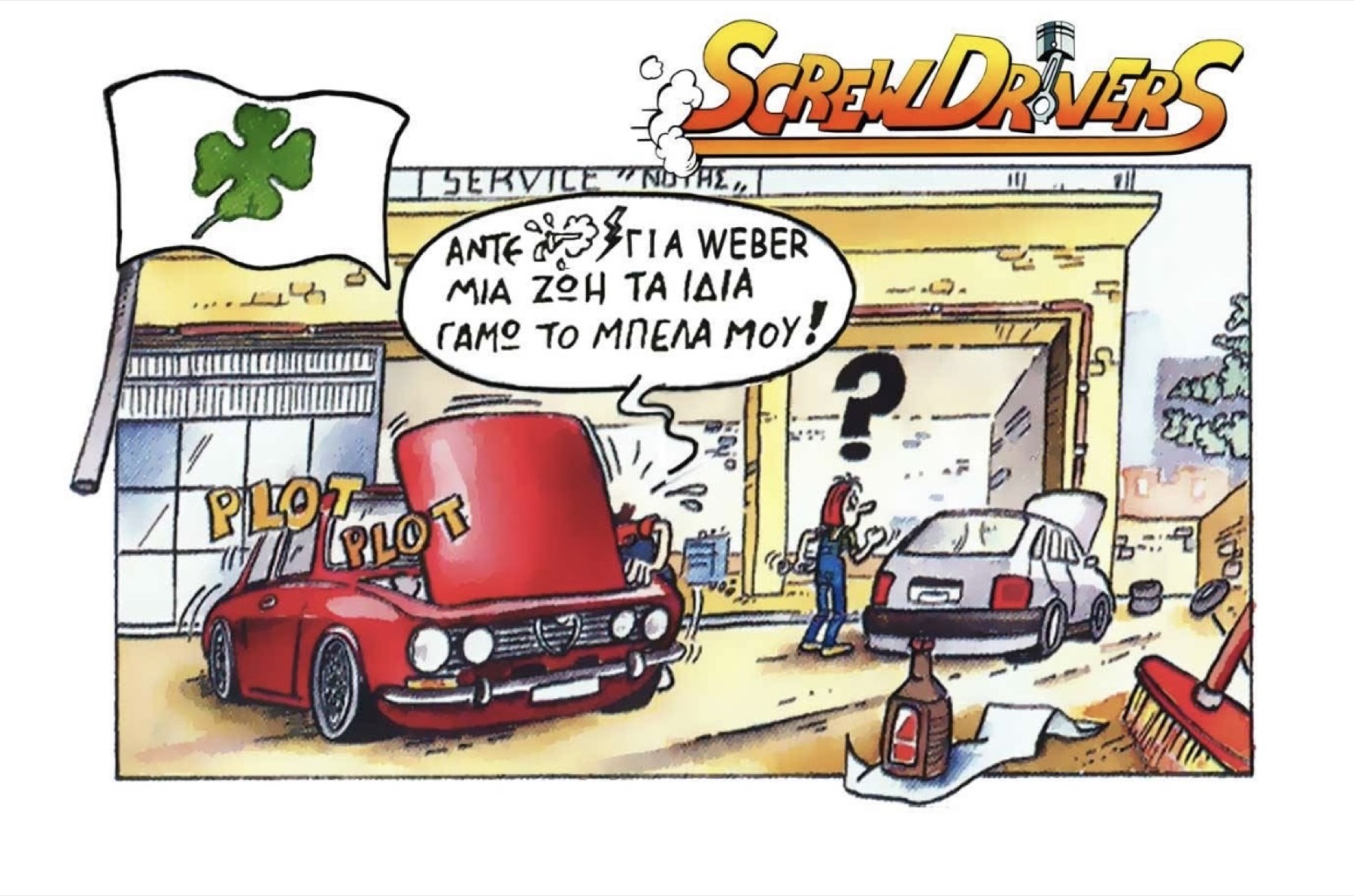
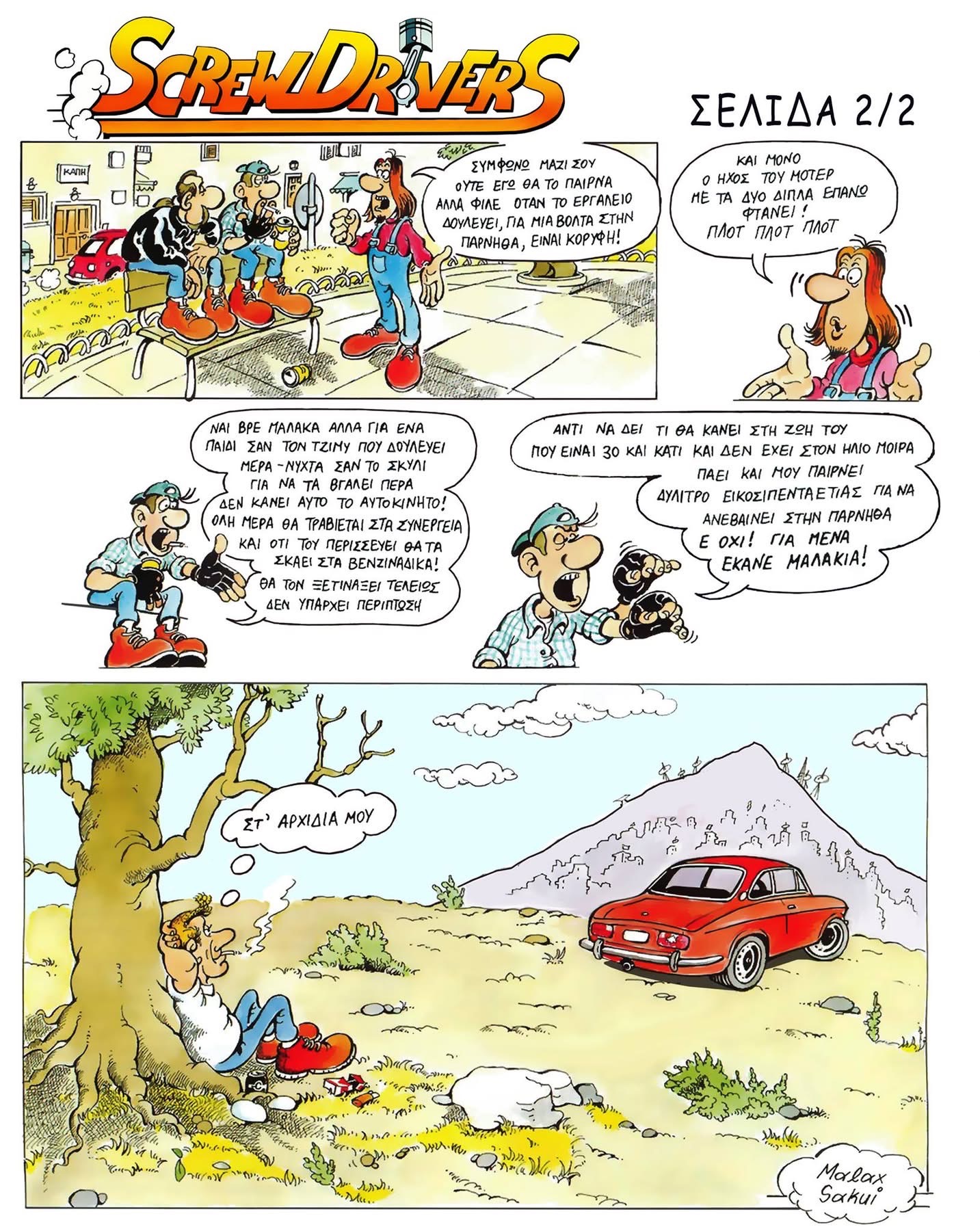
The poster car. The centrepiece of the “Screwdrivers” comics of the nineties. The car Giorgetto Giugiaro designed at just twenty-three, capturing - in a way that went down in history - the post-adolescent urgency of a sharp pen.
All of that I love about my Alfa.
But in time I discovered something I had not expected when I first sat behind its wheel.
This car makes people tell me their stories
It happens remarkably often. I park somewhere, stop for fuel, or simply wait at a red light, and someone comes over.
At first they usually look at the car. A nod. A smile. A photograph.
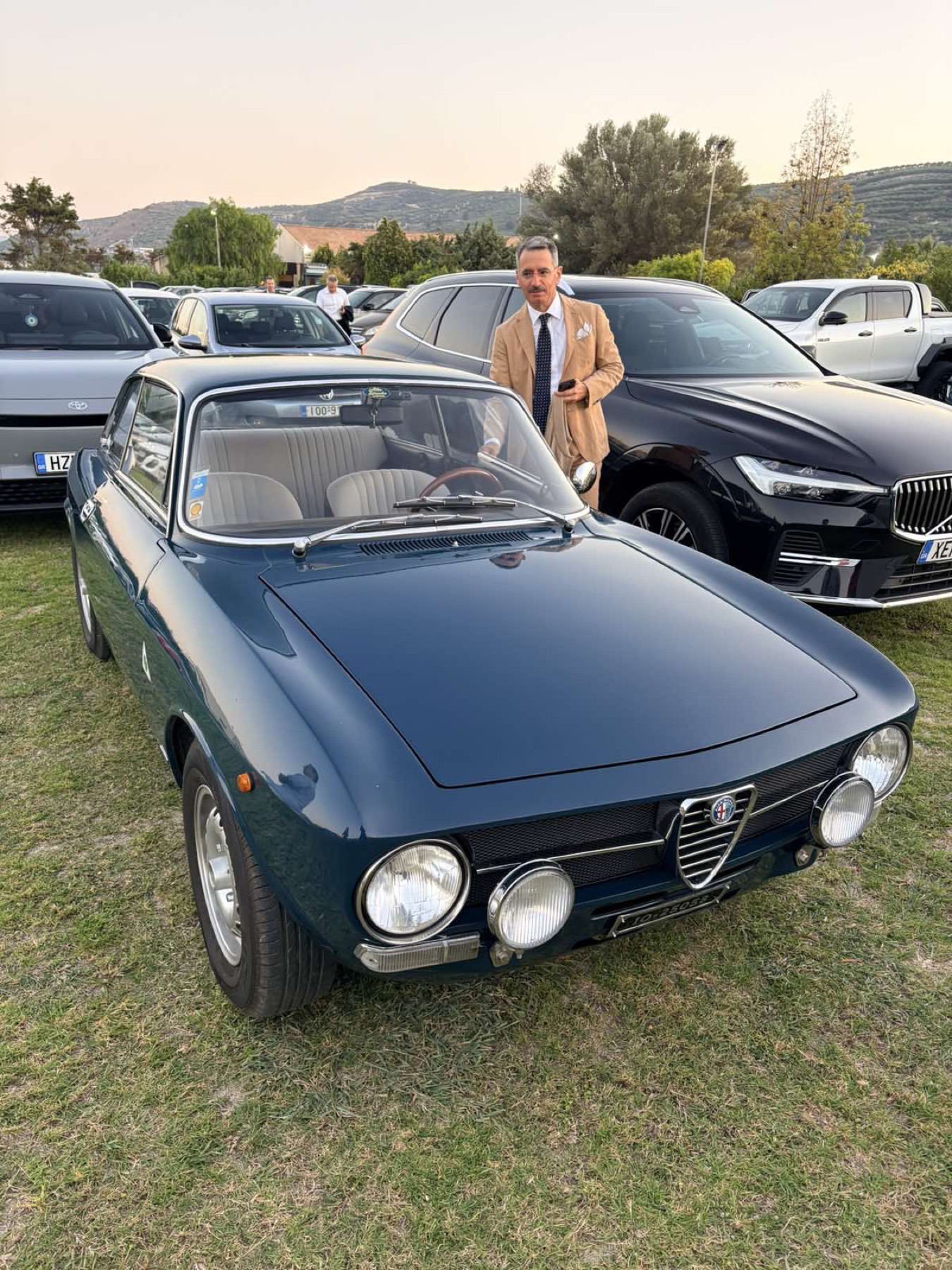
Very often, though, after only a few words the conversation stops being about the Alfa.
“My father had one like this…” “My uncle used to take us to the beach in one…” “A classmate of mine in Italy…” “My brother and I sat in the back…”
And, of course, every so often you hear stories that had better never be written down in the media…
Some remember the smell. Others the sound. Others a name, a face, a summer.
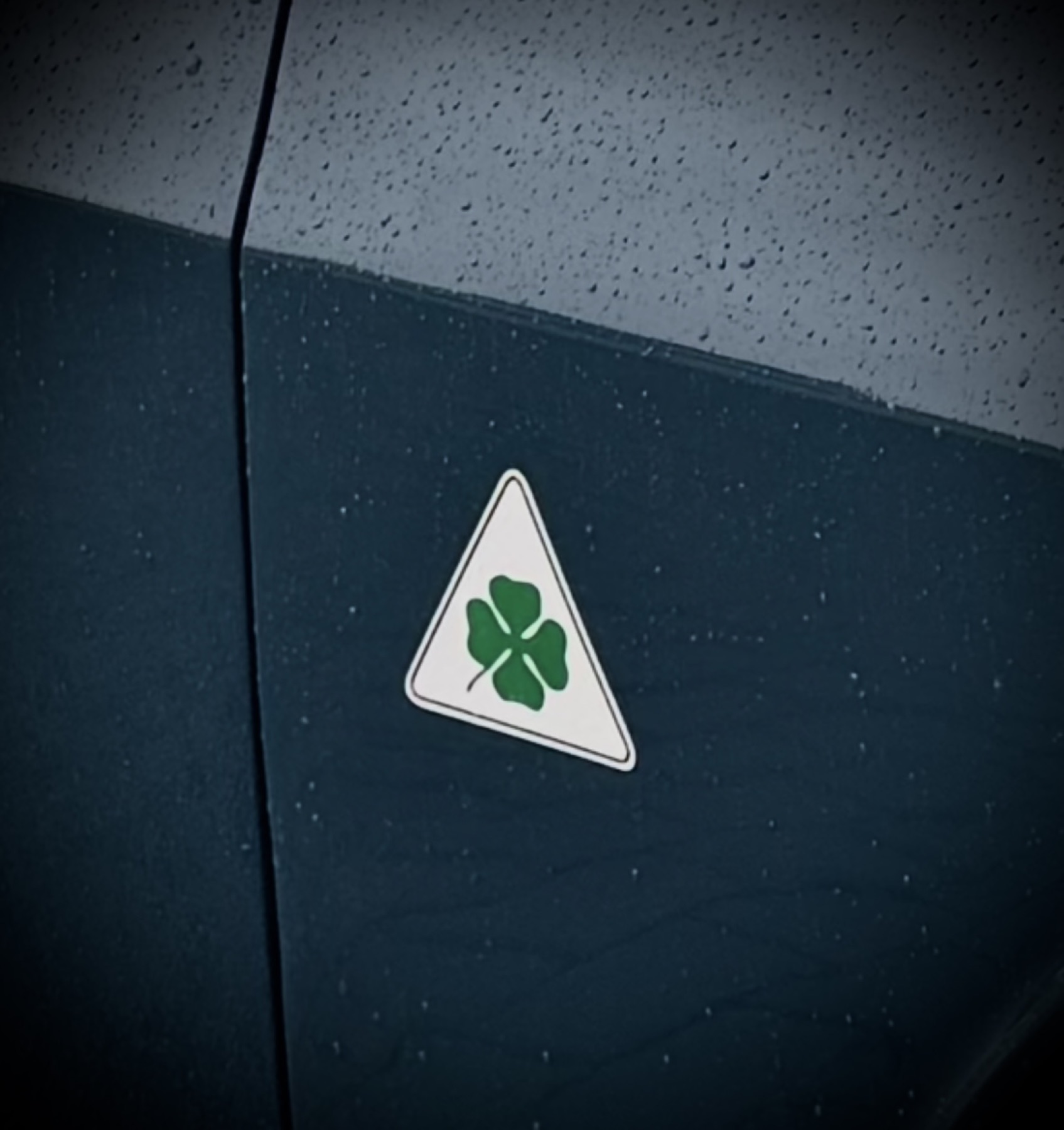
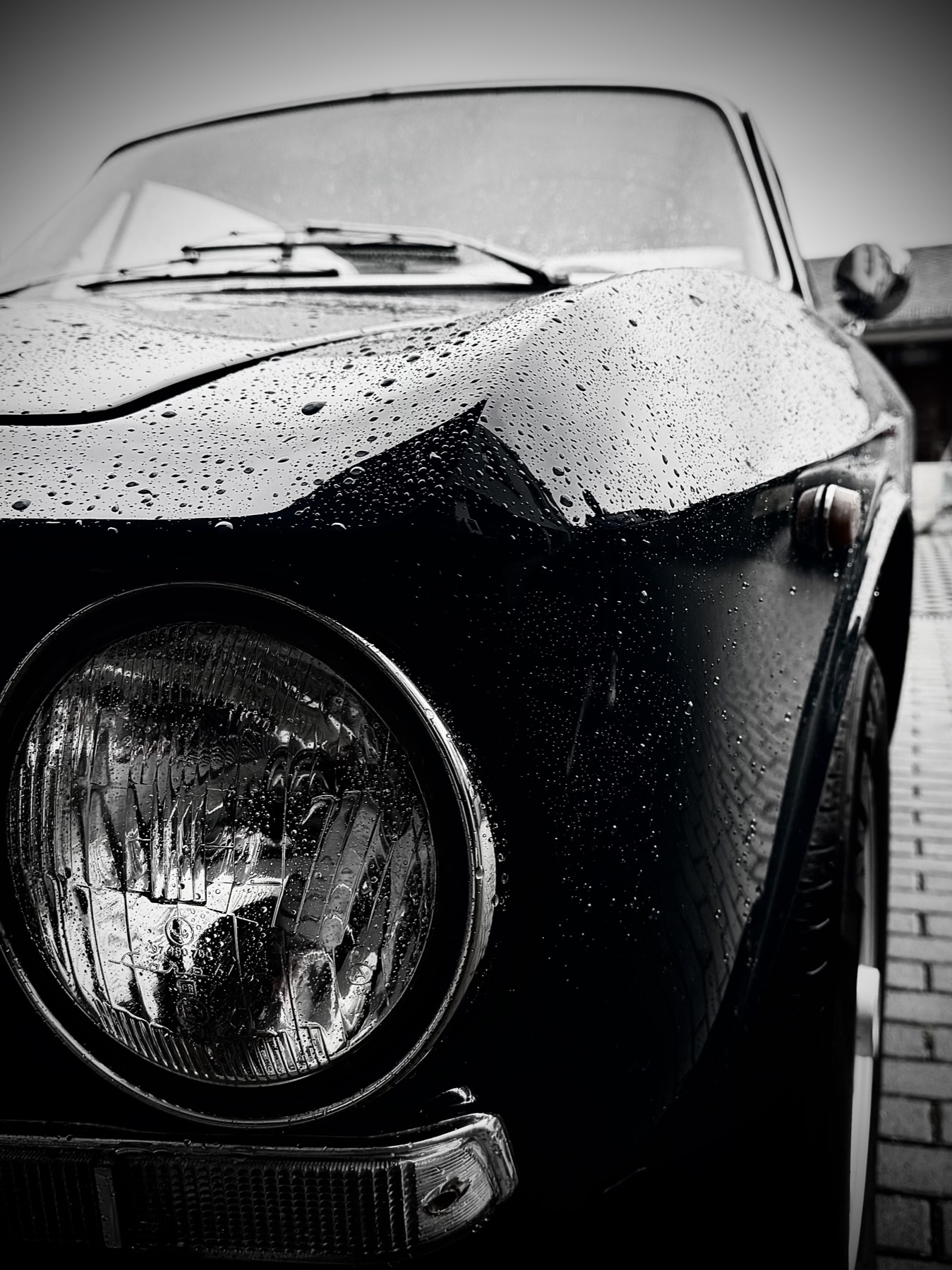
Sometimes, though, they remember almost nothing about the car itself. They remember something from their own life.
Somewhere in there I realised that I am not simply driving a 1971 Alfa. In a strange way, I am driving through other people's memories.
These cars were never meant for museums
The Bertone was created as an object of design and engineering. But these cars were never meant for museums and collections.
They lived.
They carried families. They took young people on holiday. They waited outside cinemas and restaurants. They travelled to cities and mountain tops. They turned through town squares. They made noise, and an impression.
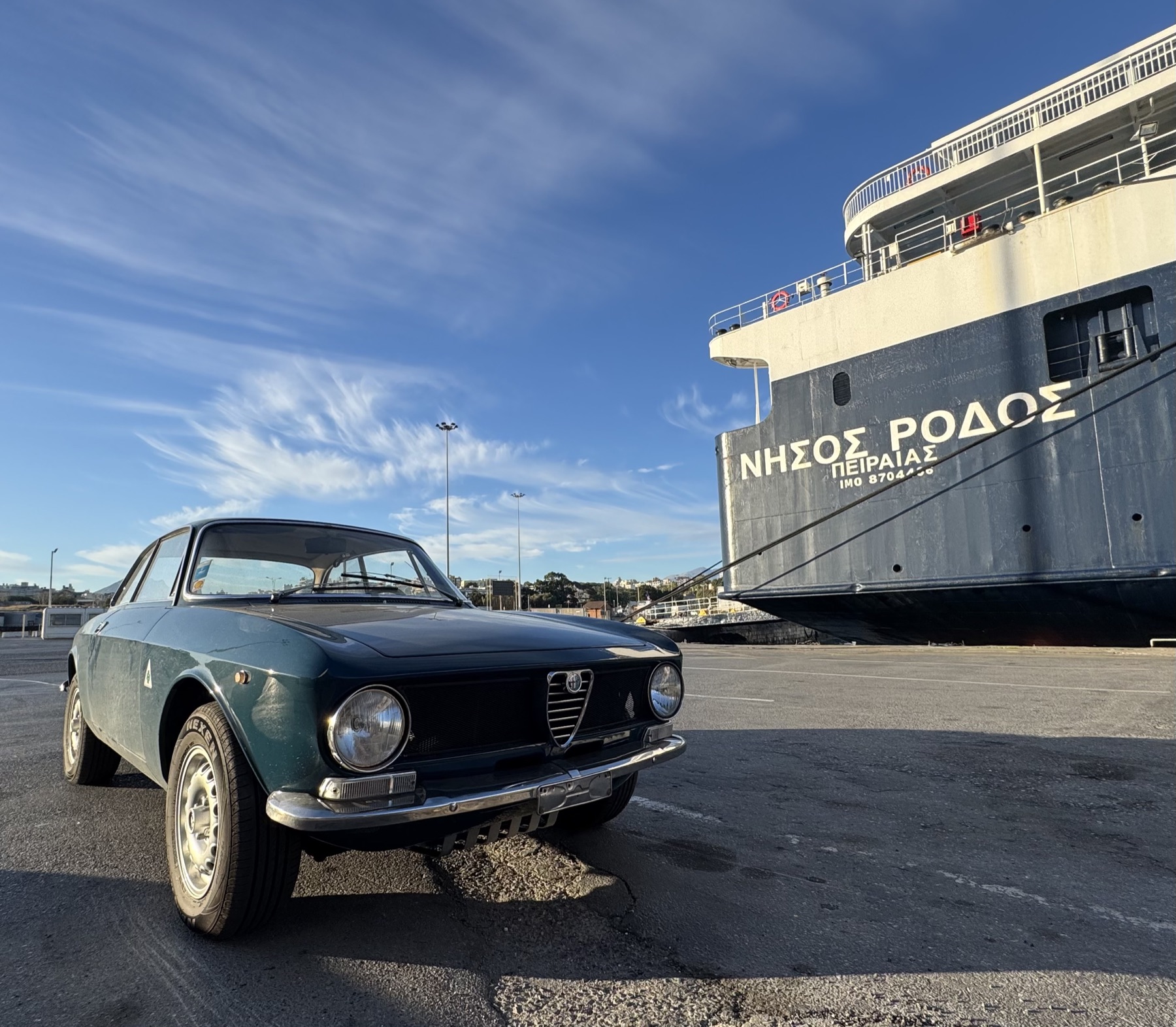
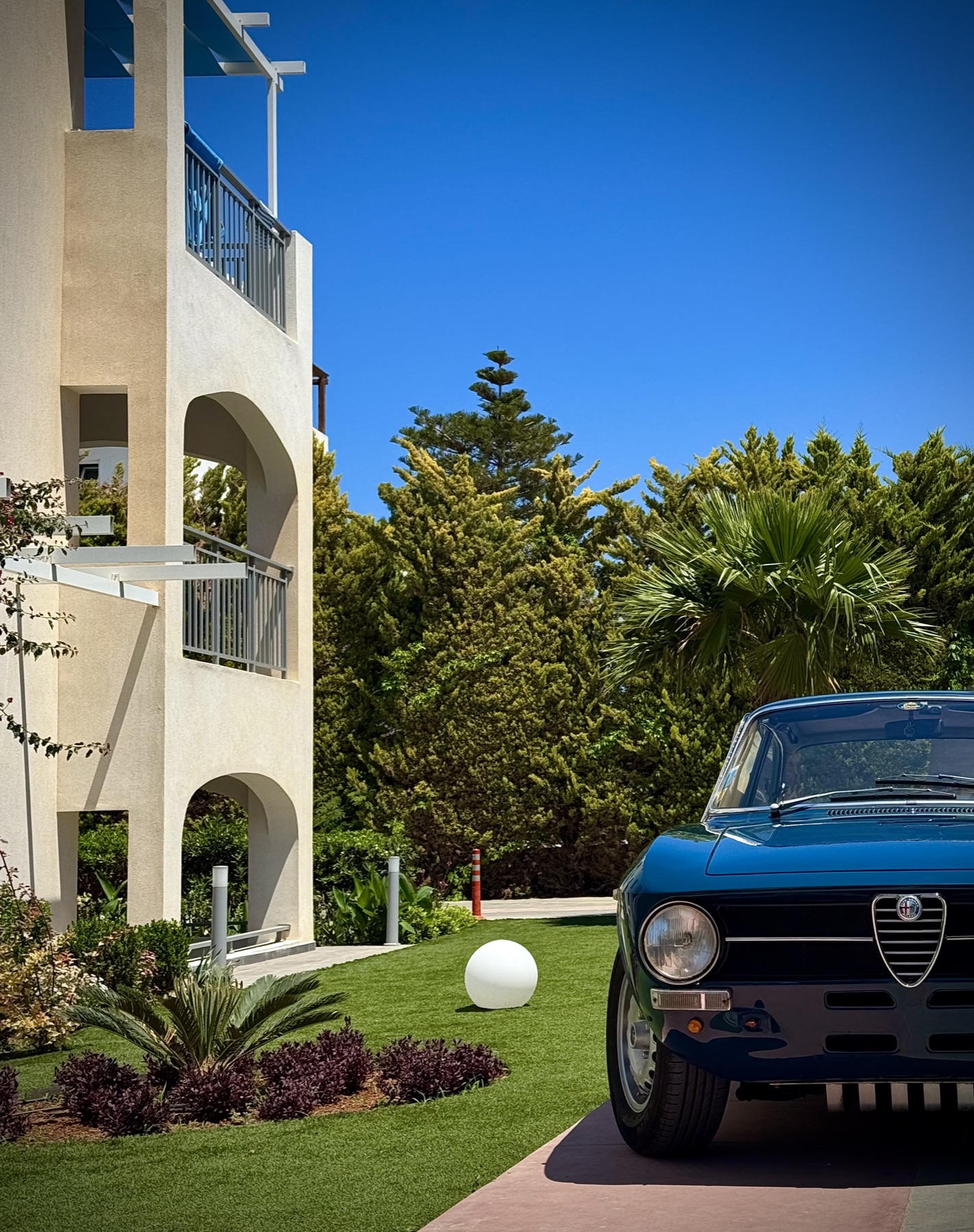
They took people to work, to the sea, to weddings, on day trips. Perhaps to a first date.
They were there for thousands of ordinary moments nobody thought important enough to keep.
Then the decades passed.
The children in the back seat grew up. The young drivers became fathers and grandfathers. Friends drifted away. Parents grew old. Some of those people are no longer here.
Perhaps the first owner of my own Alfa among them. A young man who, when he got it, would have stood and stared at it for hours. Polished, gleaming, brand new.
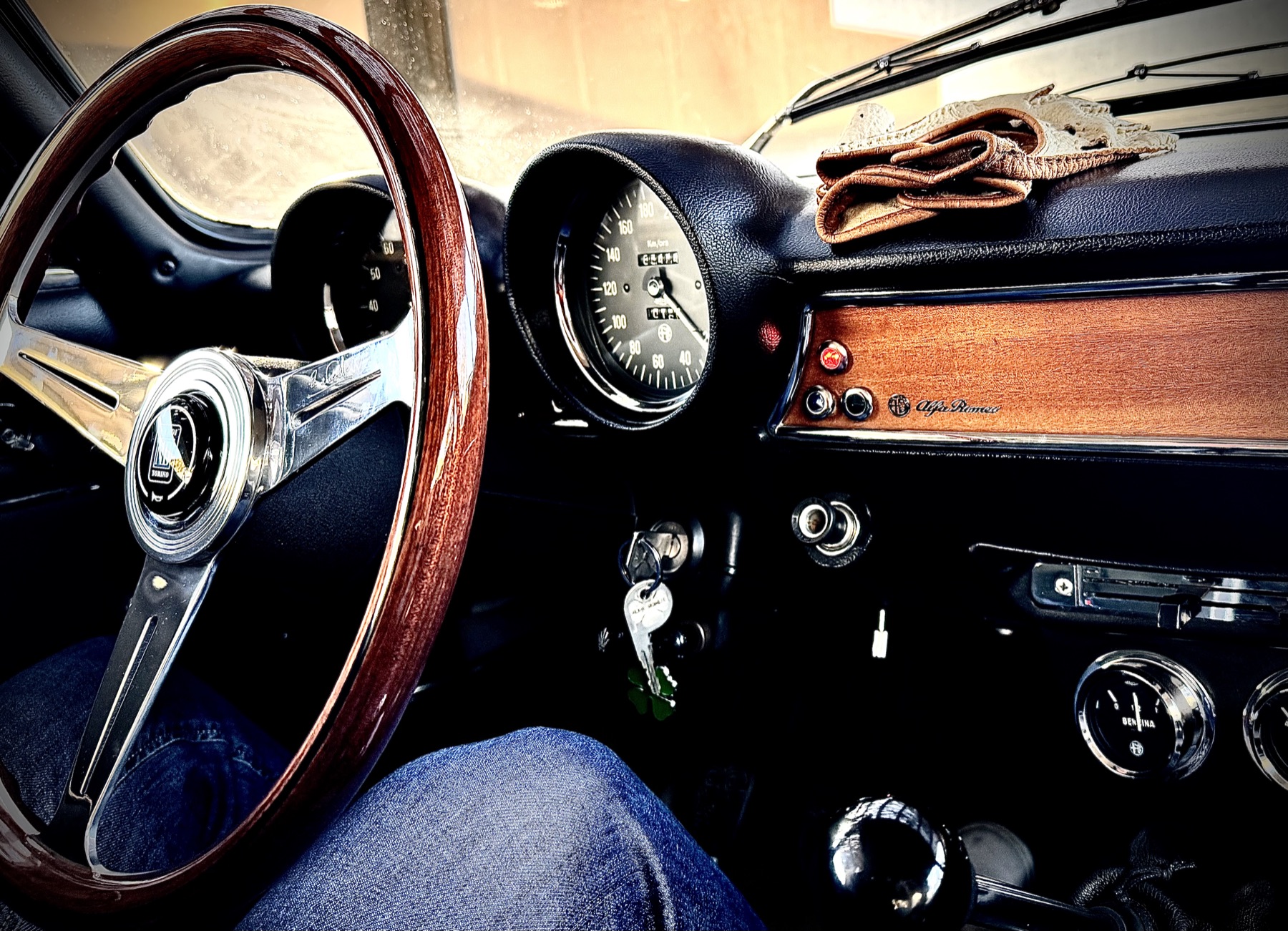
But the memory stayed. And sometimes the shape of a Bertone turning a corner is enough to bring all of it back for a few seconds.
These encounters have become one of the loveliest parts of living with the Alfa. People I have never met suddenly begin talking about something deeply personal. Because in a way, nostalgia has already introduced us.
The 105 has done the difficult part.
My Alfa, their memories
All of this has changed, a little, the way I understand owning a classic car.
Technically, the Bertone is mine. I maintain it, drive it and look after it. I know its small noises, its quirks and its imperfections. I know its character.
Emotionally, though, I sometimes feel that a car like this never belongs entirely to one person.
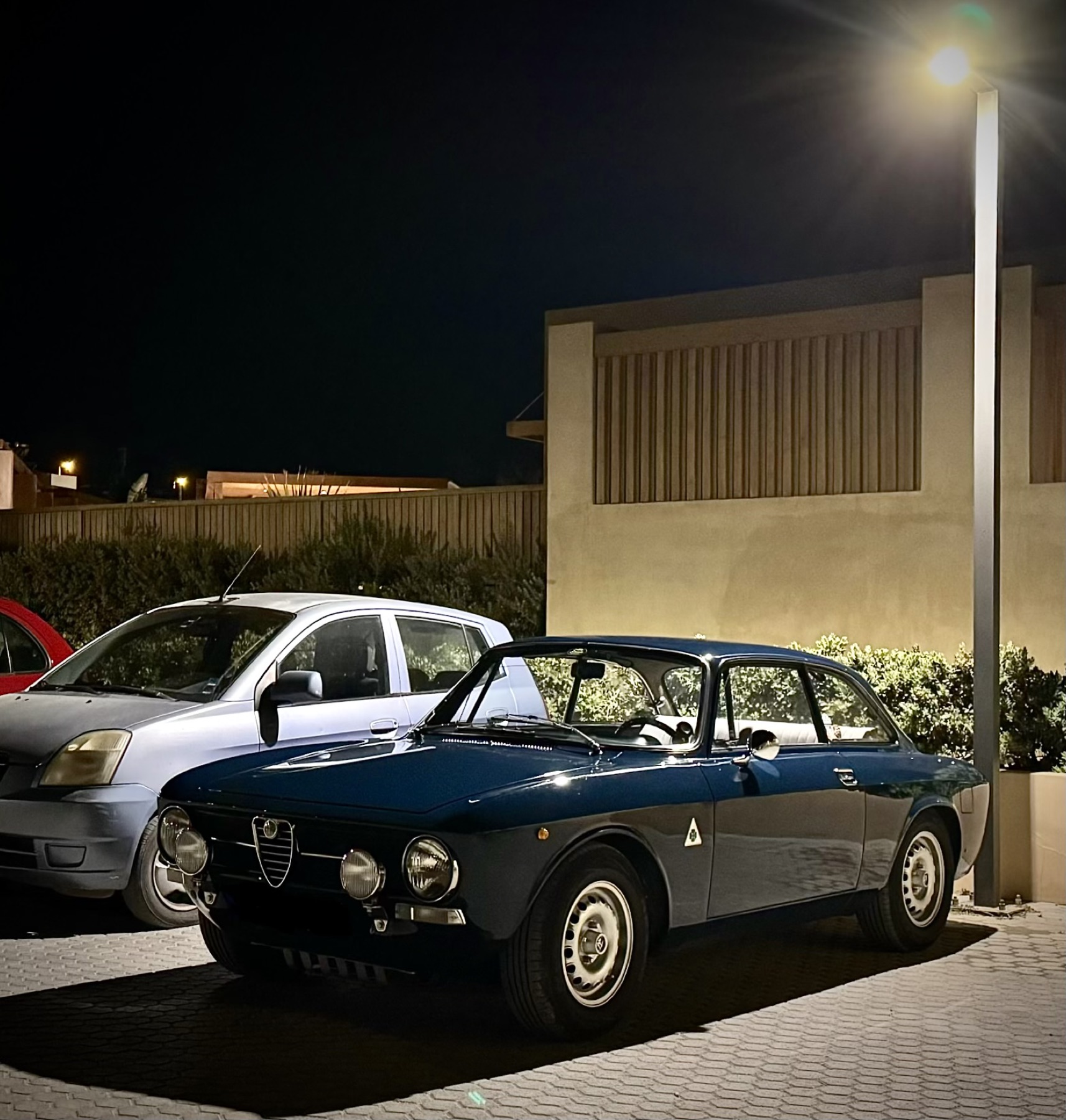
Every time someone comes over and tells me one more story, it is as if an invisible passenger climbs in for a while.
A father. A mother. A brother. An old friend. Or simply a much younger version of the person standing in front of me.
Perhaps that is one of the most important reasons these cars deserve to be kept alive and - above all - to keep being driven.
Not because the past was necessarily better. But because certain objects have a remarkable ability to connect us to it again.
After all these years, the Bertone still does far more than carry people.
It carries memories.
Comments
Sign in to comment
- No comments yet. Share your thoughts.
Related stories
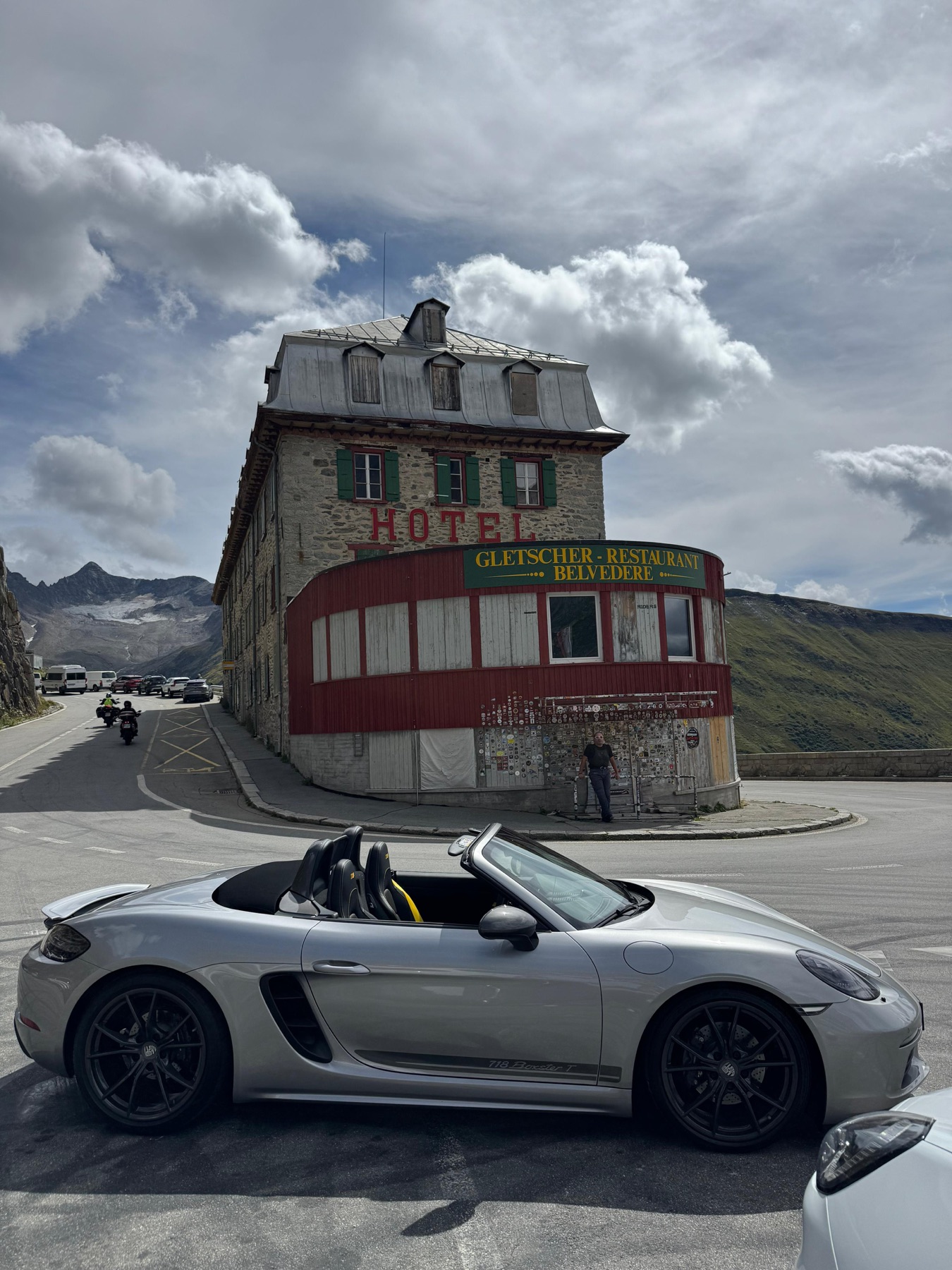
I WENT TO GERMANY MYSELF TO COLLECT THE PORSCHE. I WOULD NEVER PAY SOMEONE TO BRING IT TO ME.
How hard is it really to import a car from Germany yourself? The story of my third personal import - Autobahn, Swiss passes and a ferry across the Adriatic - and everything you need to know before you bring your own.Read the story
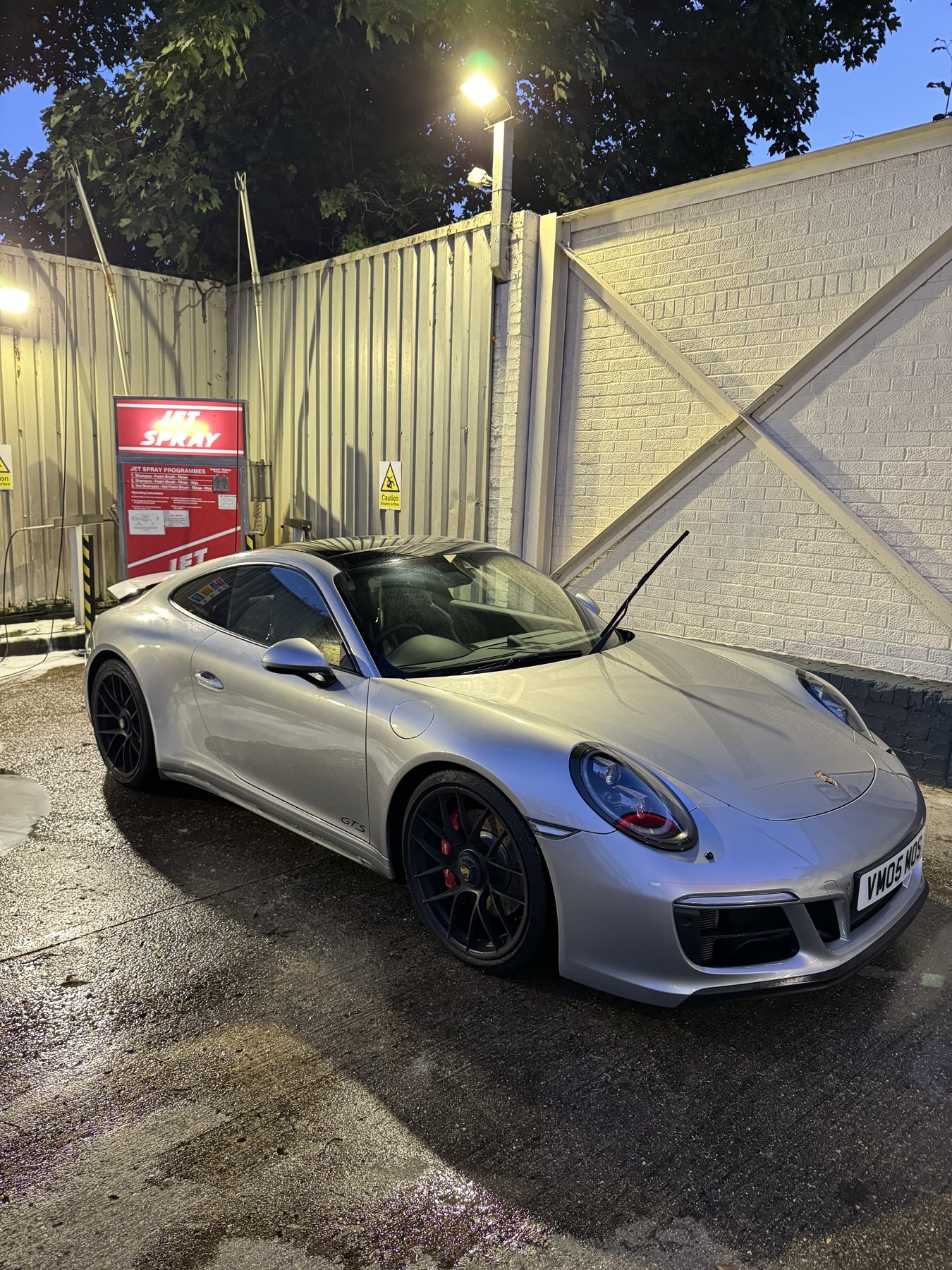
LONDON TO TUSCANY IN A PORSCHE 911: THE ROAD TRIP YOU HAVE TO DO ONCE IN YOUR LIFE
Fifteen days, 2,500 kilometres, a silver 911 Carrera GTS, and Alessandra in the passenger seat. From London, through the Eurotunnel, Paris and Burgundy, to the hairpins before Tuscany - with a stop at a French petrol station that nearly ended it all. Part one of two.Read the story
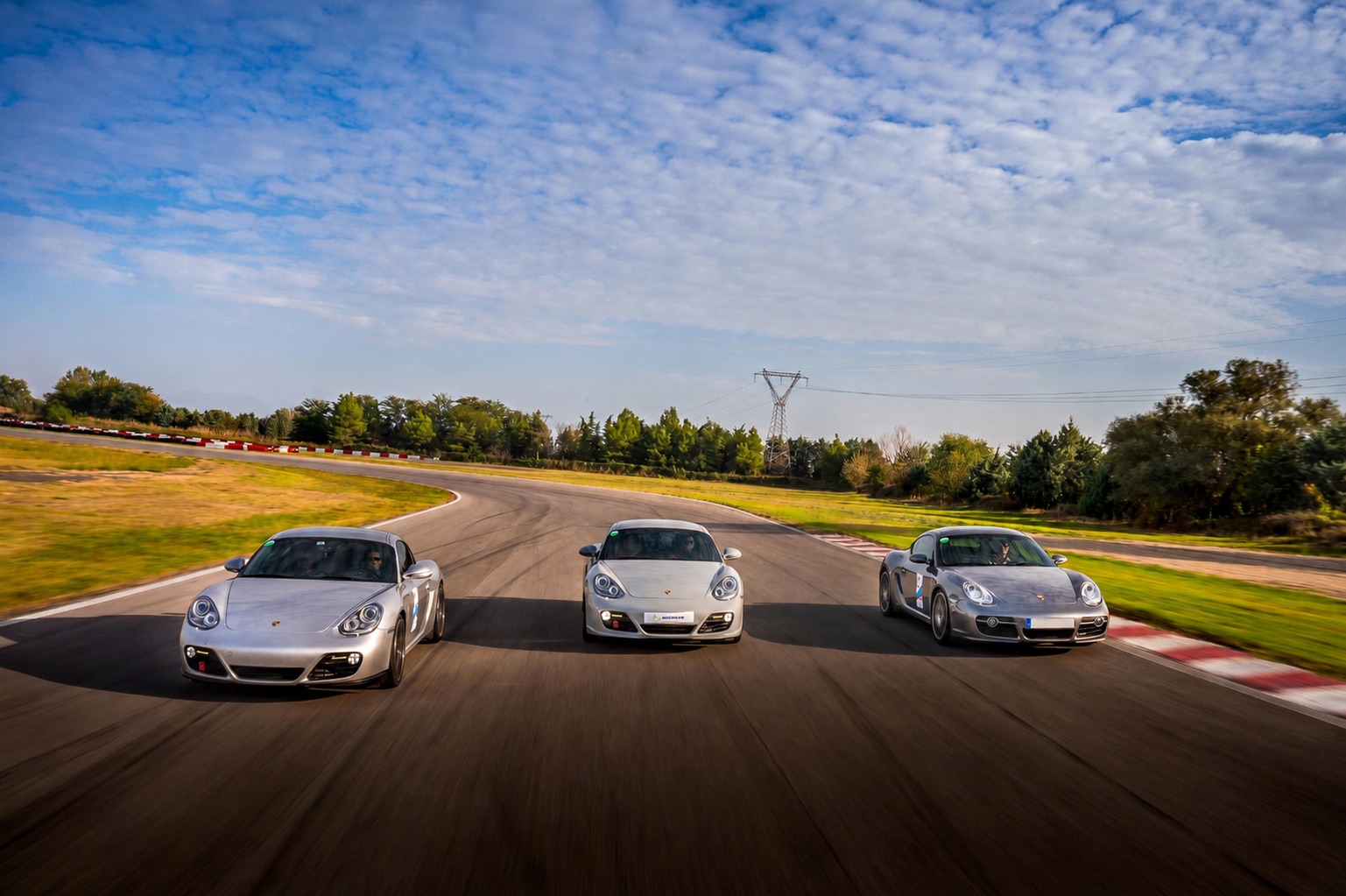
A PORSCHE FOR UNDER €25,000. TICKING TIME BOMB OR HEAVEN ON EARTH?
IMS, bore scoring, and everything you need to know before buying a Porsche 986 or 987 - from someone who's been on both sides of the story.Read the story
If you'd like to write your own story - submit it here