
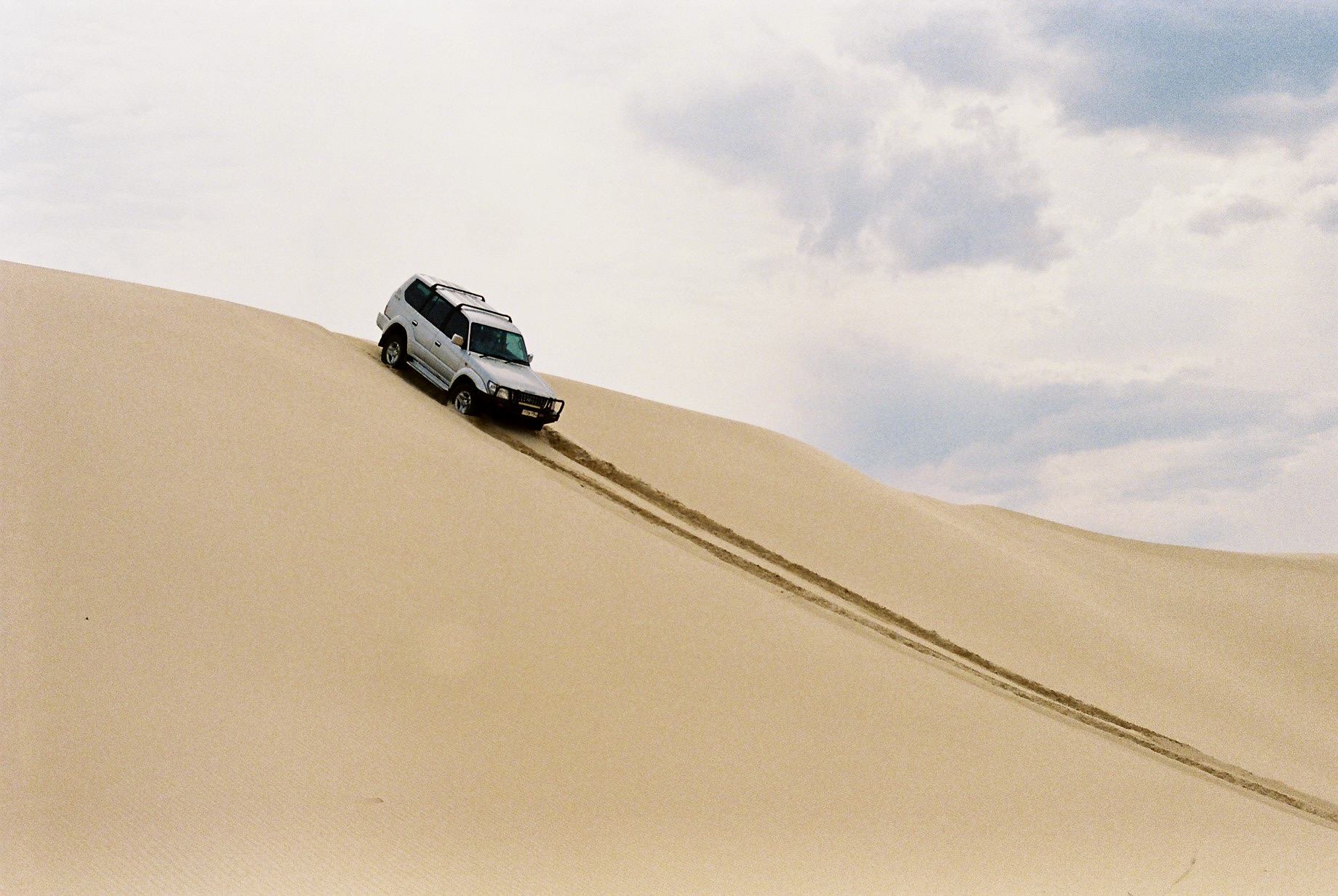
The Case for Capability: why I fell in love with a 25-year-old Toyota Prado
Tom grew up on RAF bases, where even a Ferrari felt a little pedestrian. He makes the case for capability over speed - and for a 25-year-old Toyota Prado with 350,000 km on the clock.
I have never been particularly into cars. Growing up on RAF bases, even a Ferrari felt a little pedestrian compared to a fast jet. And whilst I can appreciate the engineering and elegance of a sports car, I cannot help but feel that the impracticality outweighs the appeal. When does one ever get to open the taps and explore the limits of a high-end sports car in everyday life? I suspect not nearly as often as its chassis rails are tested by speed bumps and steep driveways.
Like many, my first car was handed down by my parents: a battle tank of a 2001 Škoda Fabia estate. The whole car smelled of wet dog. The interior was stained by poorly lobbed apple cores; the seats by years of North Yorkshire's muddiest rugby pitches. The power steering had failed some years before I inherited it, so every manoeuvre quickly became an intense upper-body workout. I remain convinced that one reason I passed my driving test was because the examiner simply could not bear to spend a second longer in the car than necessary.
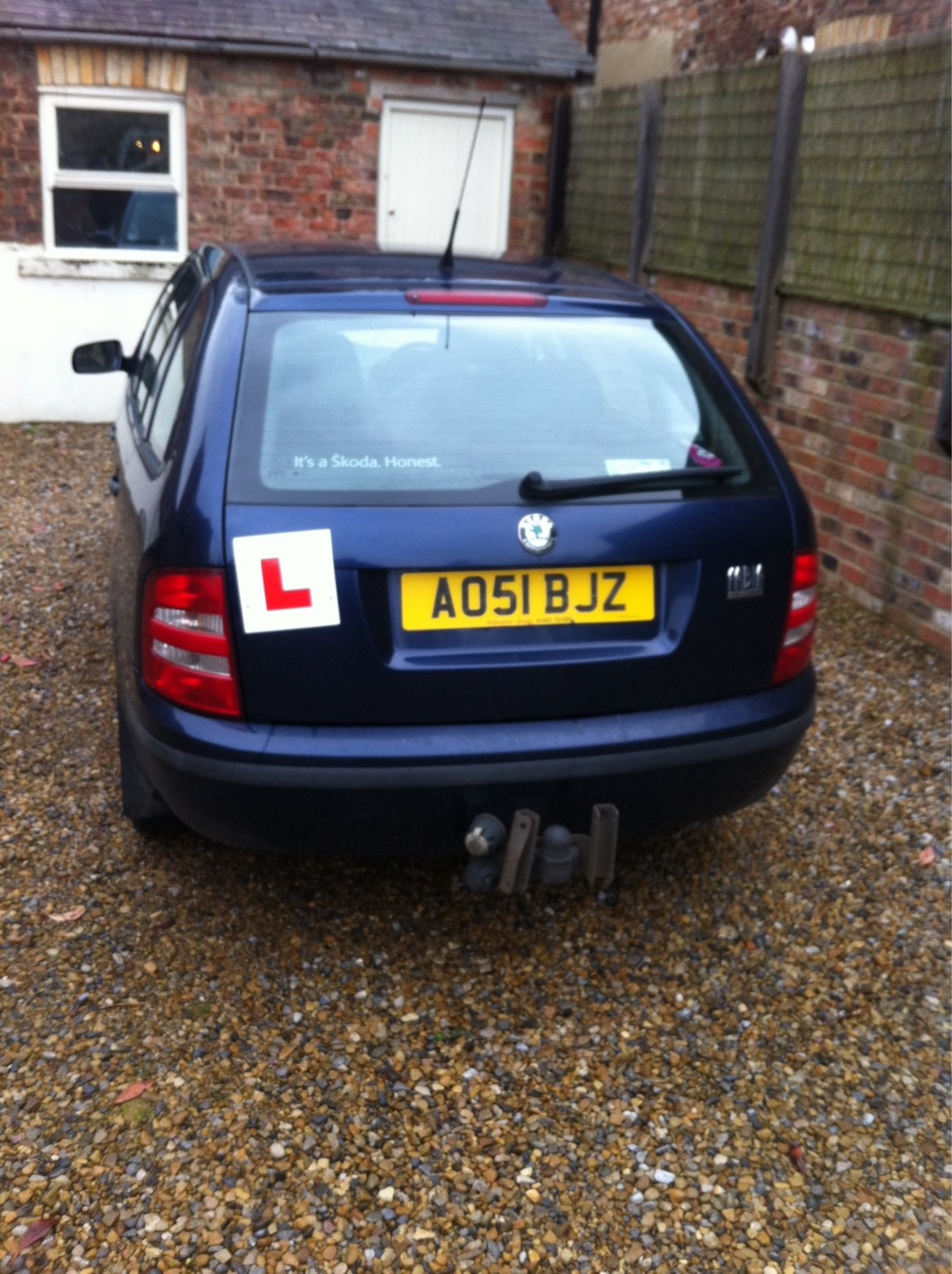
Despite all her flaws, the car was perfect for me at that time. It could carry me, four friends and a dog across the country, albeit slowly. Every overtake was a challenge - and not always a certainty - which made the reward, and relief, all the sweeter.
Whilst I have never been a sucker for automotive glamour, I have always enjoyed driving. An insufferable passenger, I much prefer to be behind the wheel, looking for opportunities to really drive a car rather than simply be carried from A to B. Having never driven a true performance car, I should probably admit my opinion comes with a sizeable caveat. However, it is the sensation of pushing a machine towards its limits that gives me a thrill, and that is far easier to experience in everyday life in a modest hatchback than in a supercar travelling well within its capabilities.
That being said, there is nowhere better to test both the limits of a car and the confidence of its driver than off-road.
Moving to Australia, I was introduced to the wonderful world of four-wheel driving. Bush-bashing is something of a religion out here. It seems as though half the population own rigs ready for the apocalypse: small apartment blocks on 33-inch tyres, built to survive a life off-grid.
When it came to buying a car, I was determined to find something that would let me explore Australia's vast interior. Naturally, that meant a Land Cruiser. As the saying goes: if you want to go into the bush, buy a Land Rover; if you want to come back, buy a Land Cruiser. Budget constraints, however, meant that my Land Cruiser turned out to be a 25-year-old Toyota Prado with 350,000 kilometres on the clock.
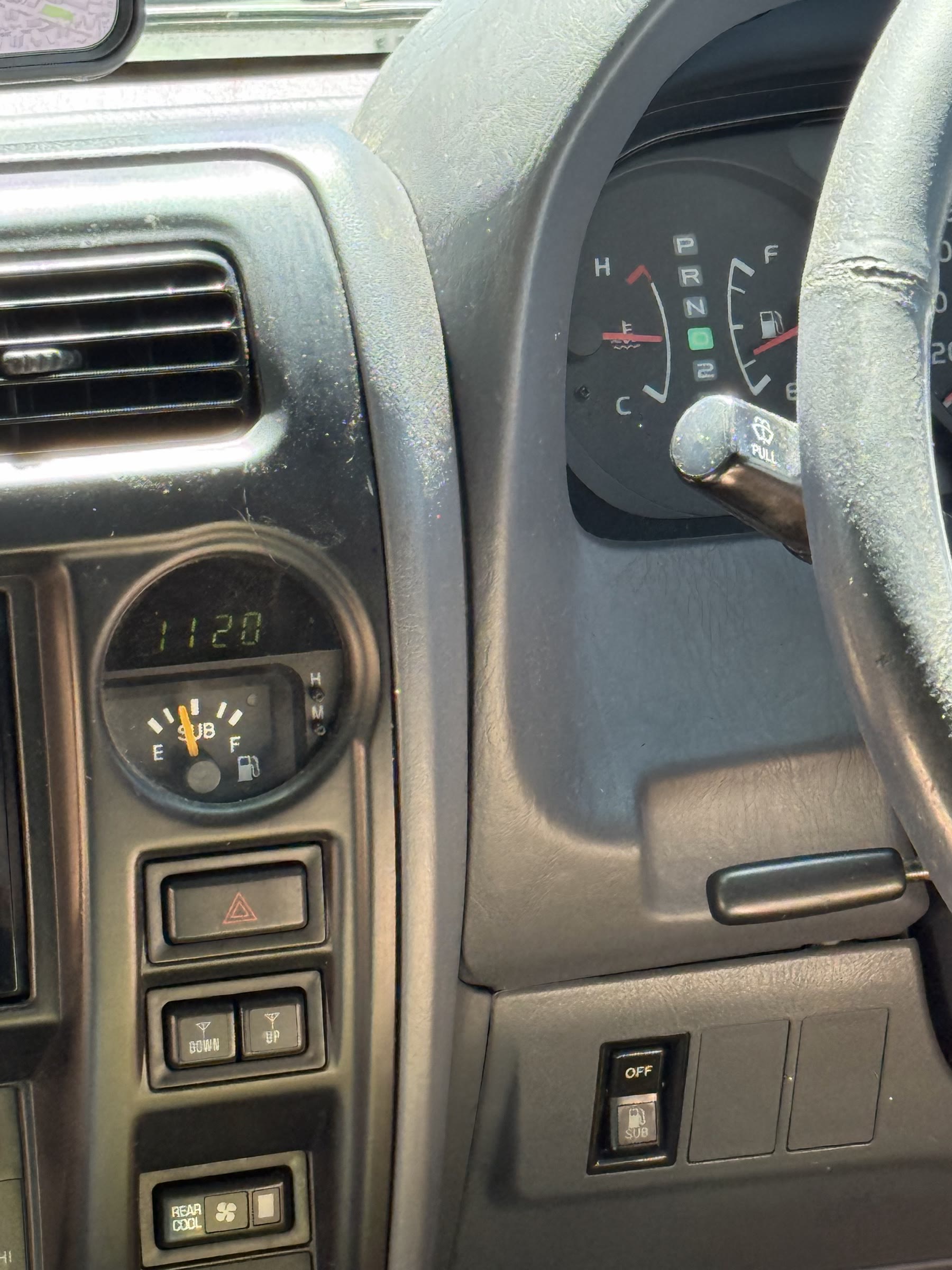
Although I had bought a car almost as old as the original Fabia I learnt to drive in, I have to say it has not skipped a beat. I have been continually surprised by what the little Land Cruiser is capable of, even before any modifications. Built to handle both the school run and serious abuse on the trails, it has climbed gradients that looked impossible and descended the other side without complaint - although, much like the Fabia, the seats were occasionally stained in the process. I have rarely experienced a thrill quite like picking my way through a difficult trail or a deep river crossing. It is exhilarating, made all the better by sharing it with a group of like-minded, half-witted friends, laughed about later around a remote campsite and more than a few cold beers.
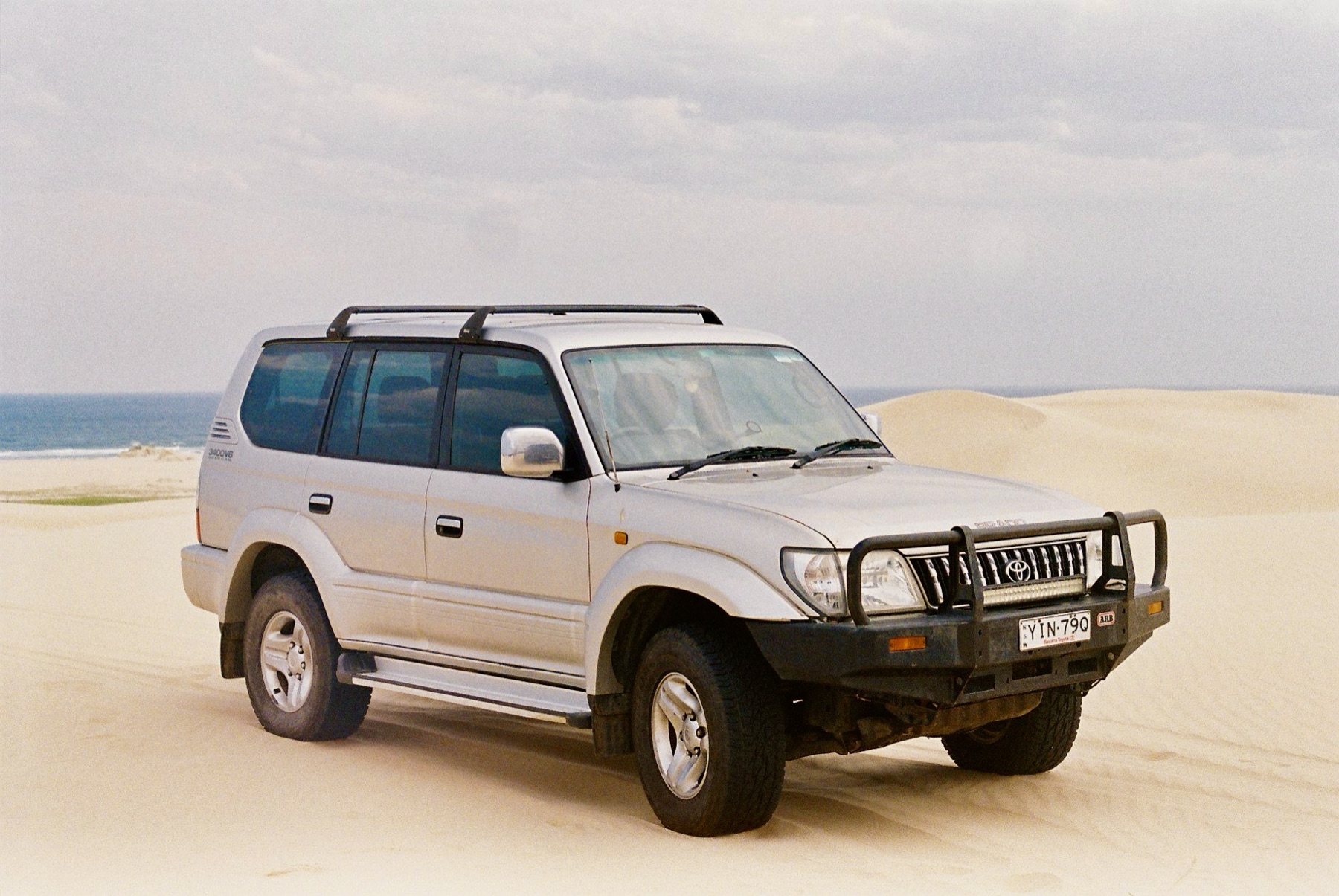
Modifying a four-wheel drive also makes far more sense to me than modifying almost any other car. On the road, you can make a standard car faster, fit a louder exhaust or bolt on a spoiler, but few of those upgrades make the car genuinely better in everyday life. Off-road, however, better suspension, more capable tyres or a bit of extra engine power expand what the vehicle can actually do. They open up new tracks, new campsites and new places that were previously out of reach.
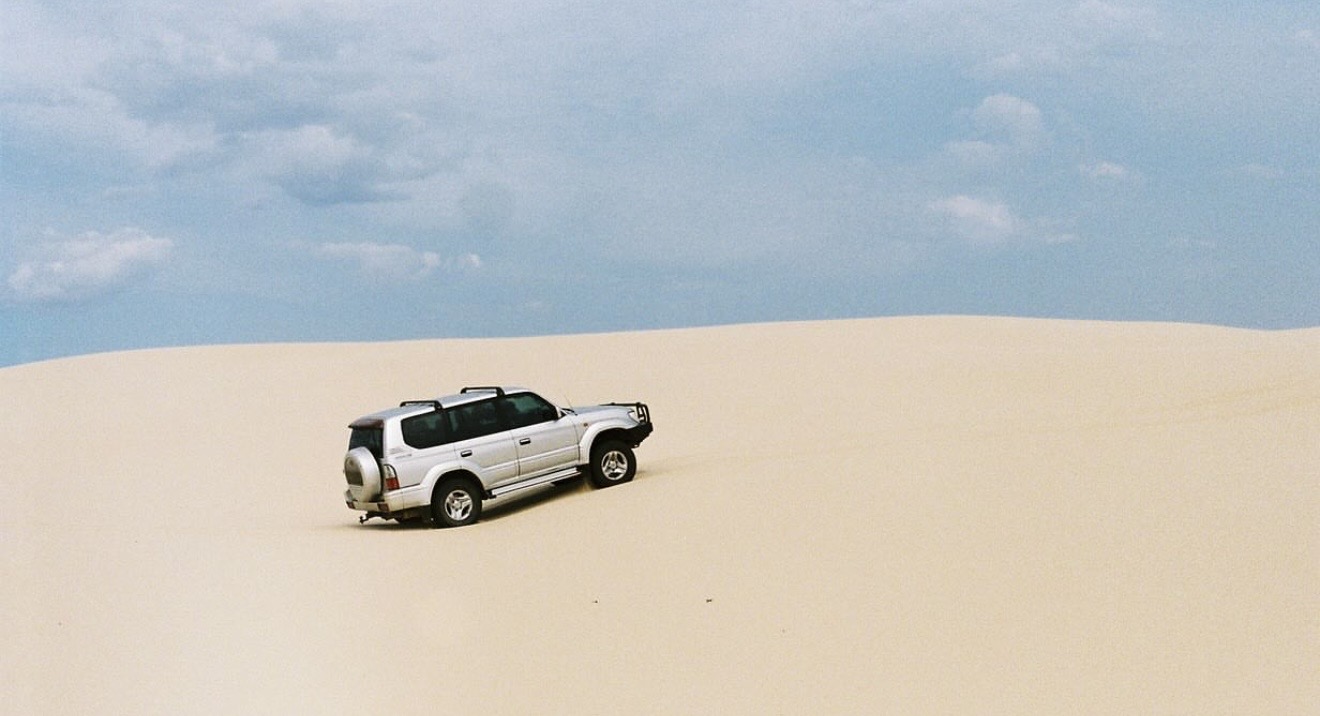
Perhaps my perennial preference for practicality (Thunderbird 2 was always my favourite) has somewhat conditioned my view of cars. Given the chance, I would still relish driving something genuinely sporty. In terms of ownership, however, I would struggle to move away from my four-wheel drive. They may be large and more than a little ridiculous, but their ability to unlock excitement, adventure and places that would otherwise remain out of reach is hard to beat.
Comments
Sign in to comment
- No comments yet. Share your thoughts.
Related stories
“HANG UP, I'M COMING”: I GOT STUCK IN THE MUD ON CHORTIATIS - AND THE DEFENDER WENT ON SALE THE VERY NEXT DAY.
Two and a half tonnes of confidence, a ditch full of mud and a Ford F-250 that appeared through the trees. How my first off-road outing became my last - and why I remember it as one of my best days.Read the story
I WENT TO A PORSCHE MEET IN LONDON. NOBODY PAID ANY ATTENTION TO THE £250,000 GT3 RS
London, Lincoln's Inn Fields, 7:50 in the morning. Thirty people woke up without having to, started their Porsche and came here. On who they are, what nobody asks them, and what money doesn't buy.Read the story
SPORTSCAR TOGETHER DAY: WHEN WAS THE LAST TIME YOU TOOK THE CAR OUT JUST TO DRIVE?
Sportscar Together Day is Porsche's worldwide celebration for everyone who loves driving. Its philosophy is simple: "Get Out and Drive". Three friends, three GT Silver Porsches, three girls who put up with us, the Serres circuit and three Trackspeed Mazda MX-5s. This was our own version of Sportscar Together Day 2026 in Greece.Read the story
If you'd like to write your own story - submit it here