
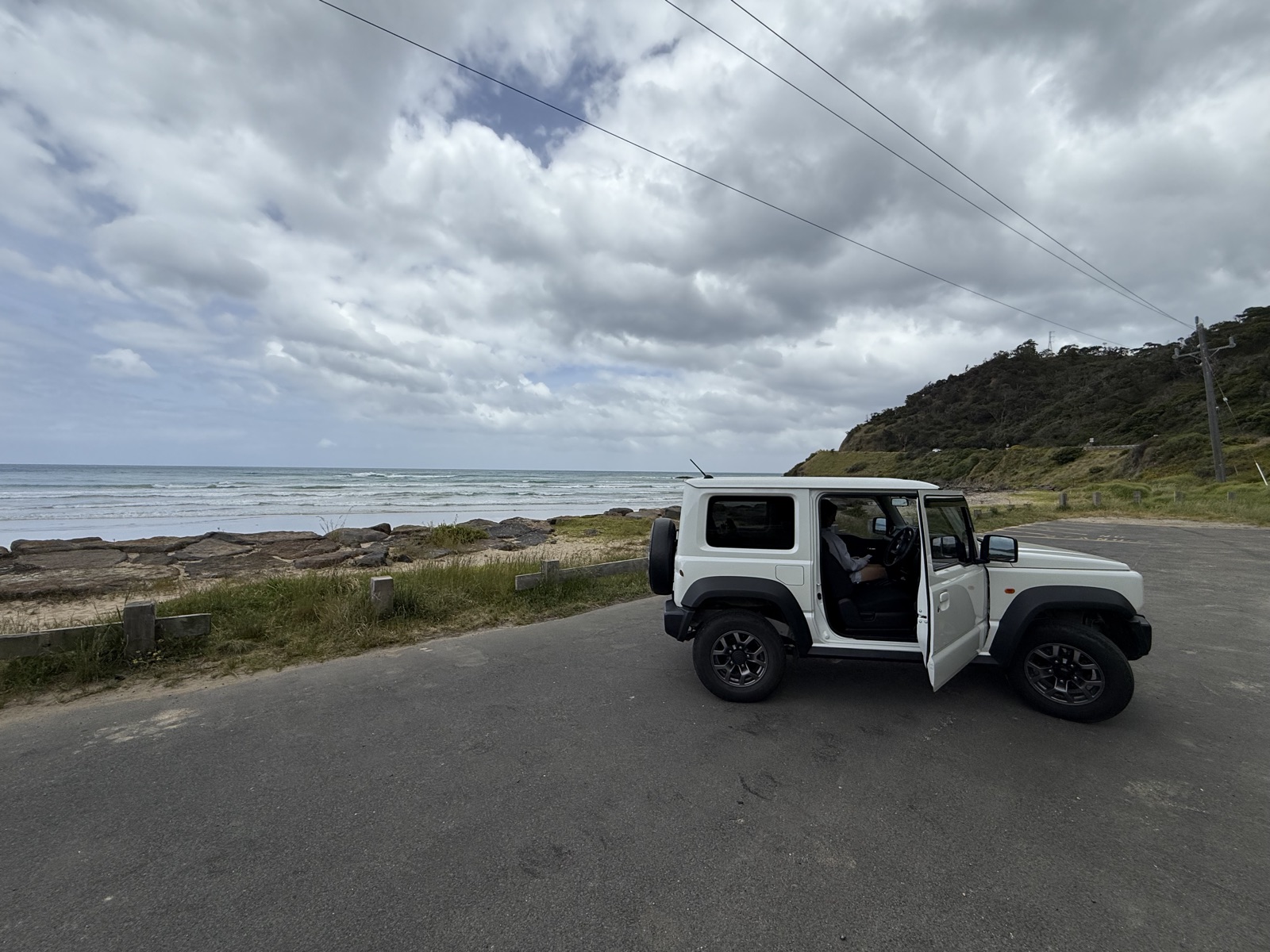
The Great Ocean Road on 102 horsepower: the slowest car was the fastest decision
In Melbourne, facing one of the most beautiful coastal roads in the world, we did the opposite of the obvious: we skipped the convertibles and the fast stuff and booked a Suzuki Jimny. A trip about why, on certain roads, the slow car is the right car.
My girlfriend and I were in Australia - Melbourne, specifically - and we'd been reading about the Great Ocean Road for ages: 240 kilometres of tarmac (the B100) starting at Torquay and hugging the Victorian coast all the way to Allansford, wedged between the Southern Ocean and the Otways hills. It's not just a 'nice road'; it's the road you see on every list of the world's great drives, right next to the Pacific Coast Highway and the Amalfi coast.
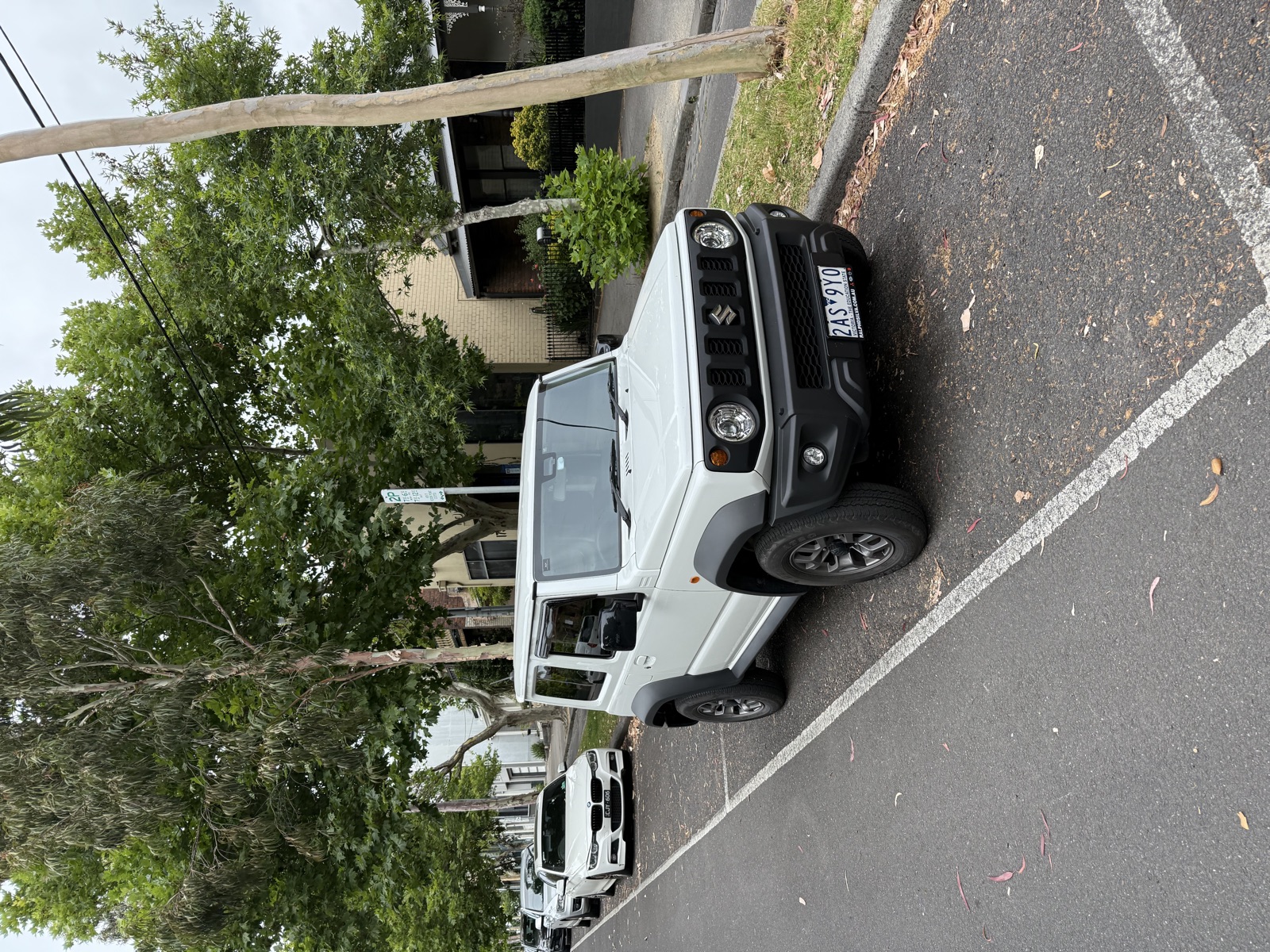
Being car people, our first question wasn't where to stay. It was what to drive. And having ruled out the obvious - a convertible for the views, something fast and expensive for the corners - we landed on the most peculiar and most beloved little 4x4 in the world: a Suzuki Jimny. White, with that clever boxy design that recalls a G-Class - a G-Class of the people.
Espresso at 7am
We collected it in the centre of Melbourne at seven in the morning. Melbourne is possibly the most serious coffee city in the world - espresso here isn't a drink, it's a religion - so the first stop was non-negotiable: our usual at Tone coffee roasters.
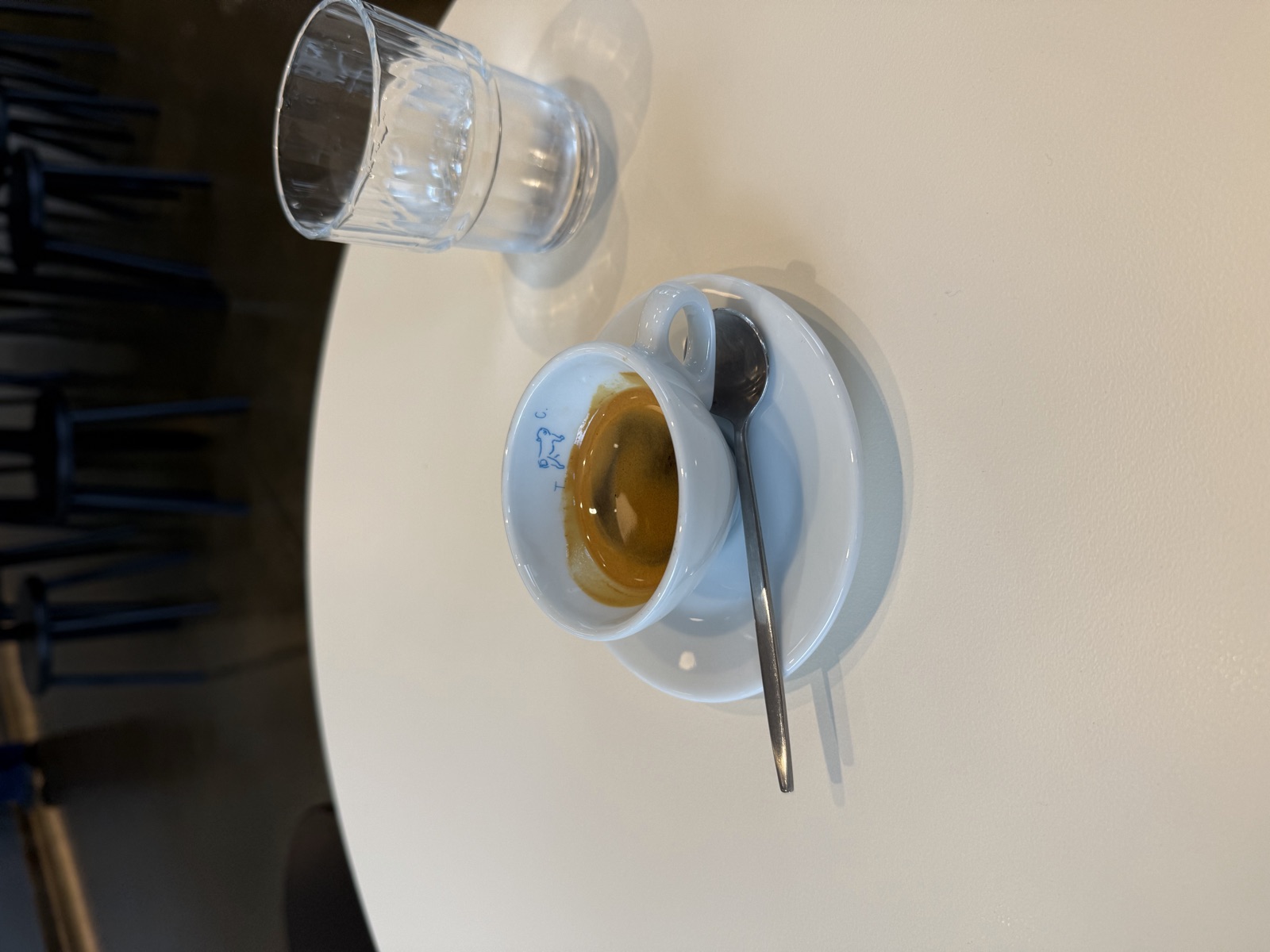
There is no better combination than arriving at a café early in the morning with a good car parked outside, drinking your espresso and knowing a whole beautiful day is waiting in front of you.
Torquay, Bells Beach, Lorne
First stop, Torquay - the capital of Australian surfing, birthplace of Rip Curl and Quiksilver. Then Bells Beach: the most storied point break in the country. We stood above the cliff watching surfers wait for their set - people who, like us with cars, have found their thing that needs no explanation.
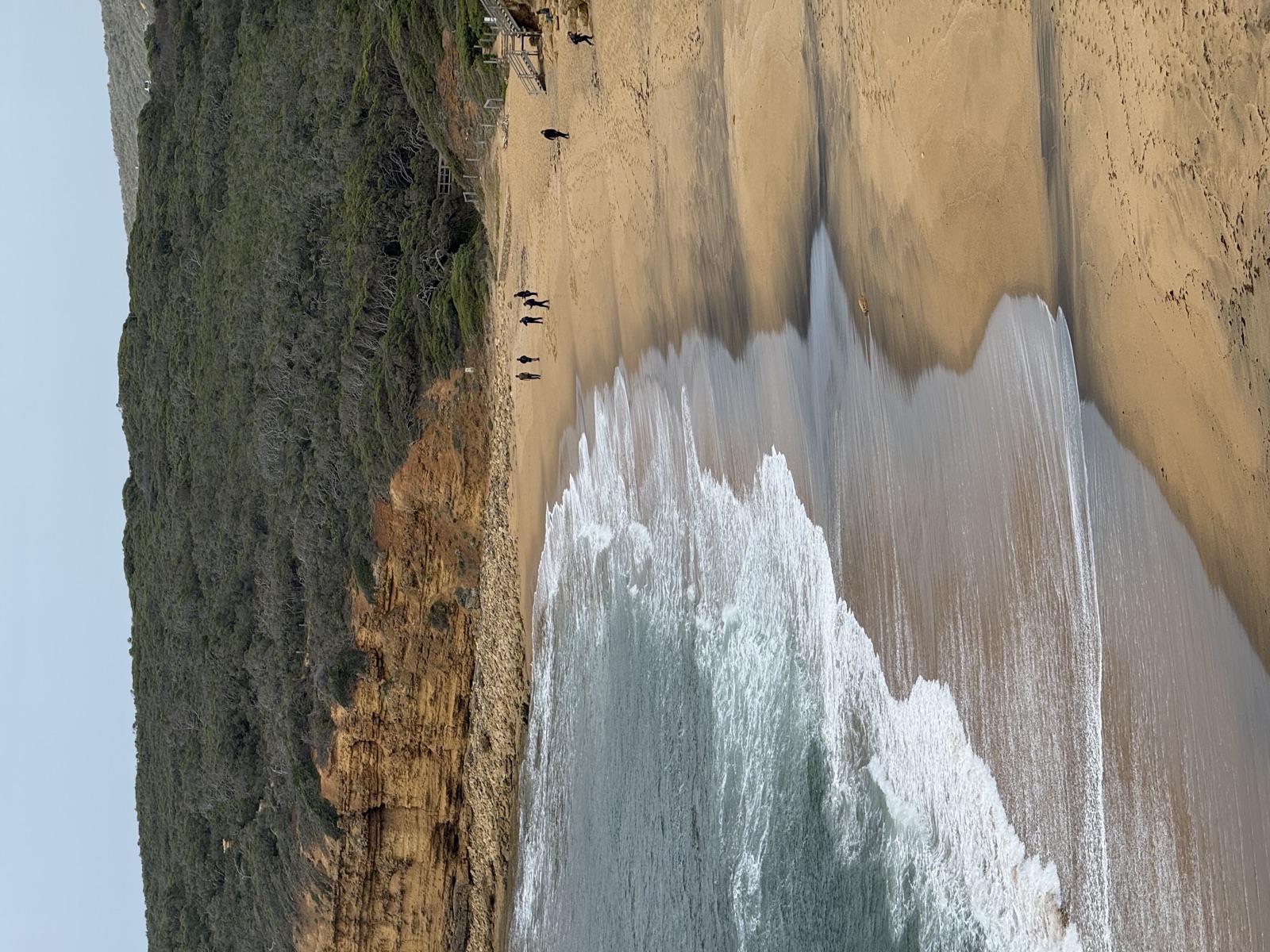
From there the road becomes what we came for: the tarmac hugs the shoreline, the ocean appears and disappears behind corners, and every bend comes with a pull-off for photos. It's worth knowing what you're driving on, too: the Great Ocean Road was built by hand, with picks and shovels, by 3,000 soldiers returning from the First World War - dedicated to the comrades who didn't return. It is the largest war memorial in the world. That changes the way you see the drive.
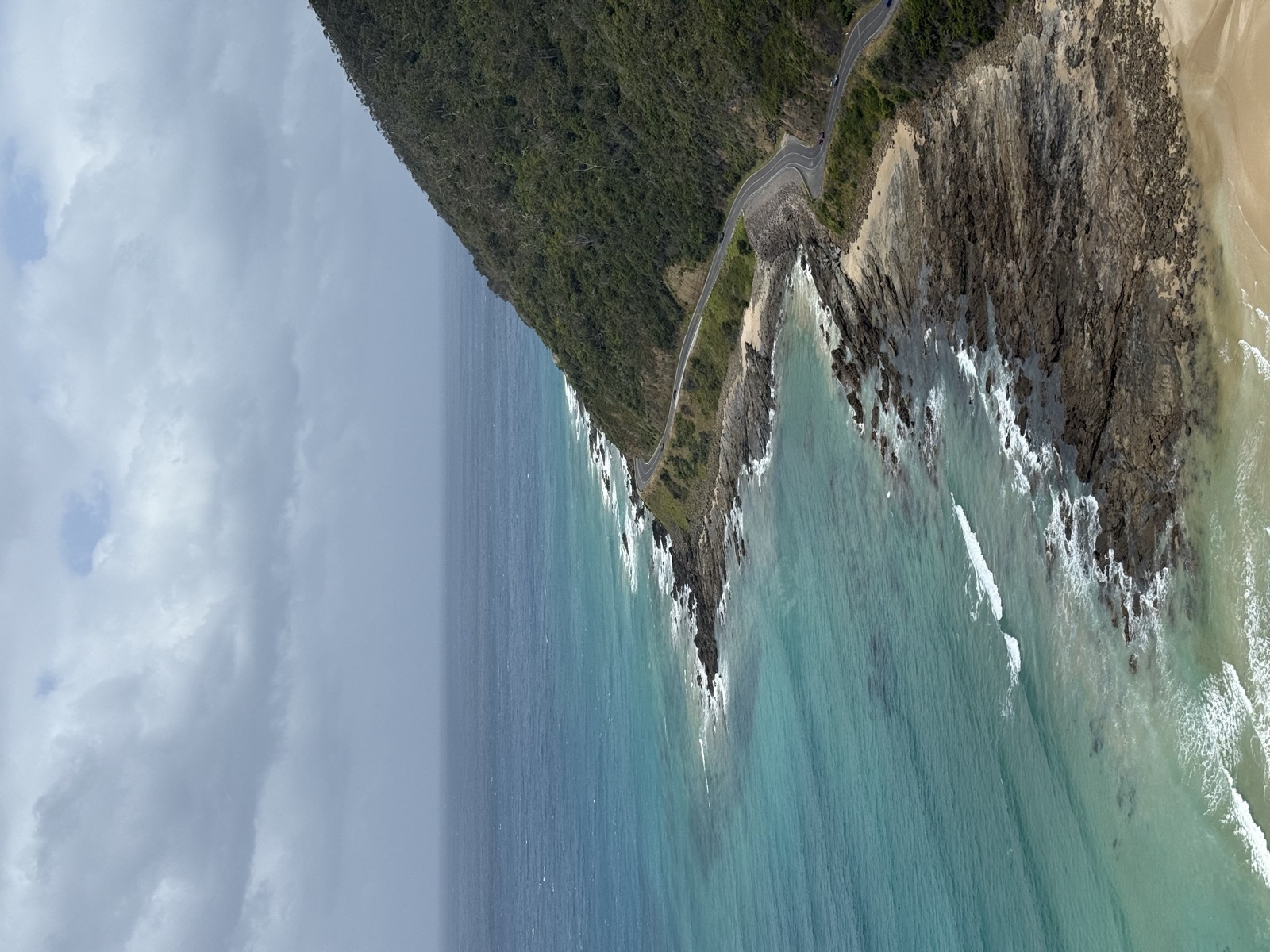
Lunch in Lorne - a seaside town that feels purpose-built for stopping to eat - and then back towards Melbourne.
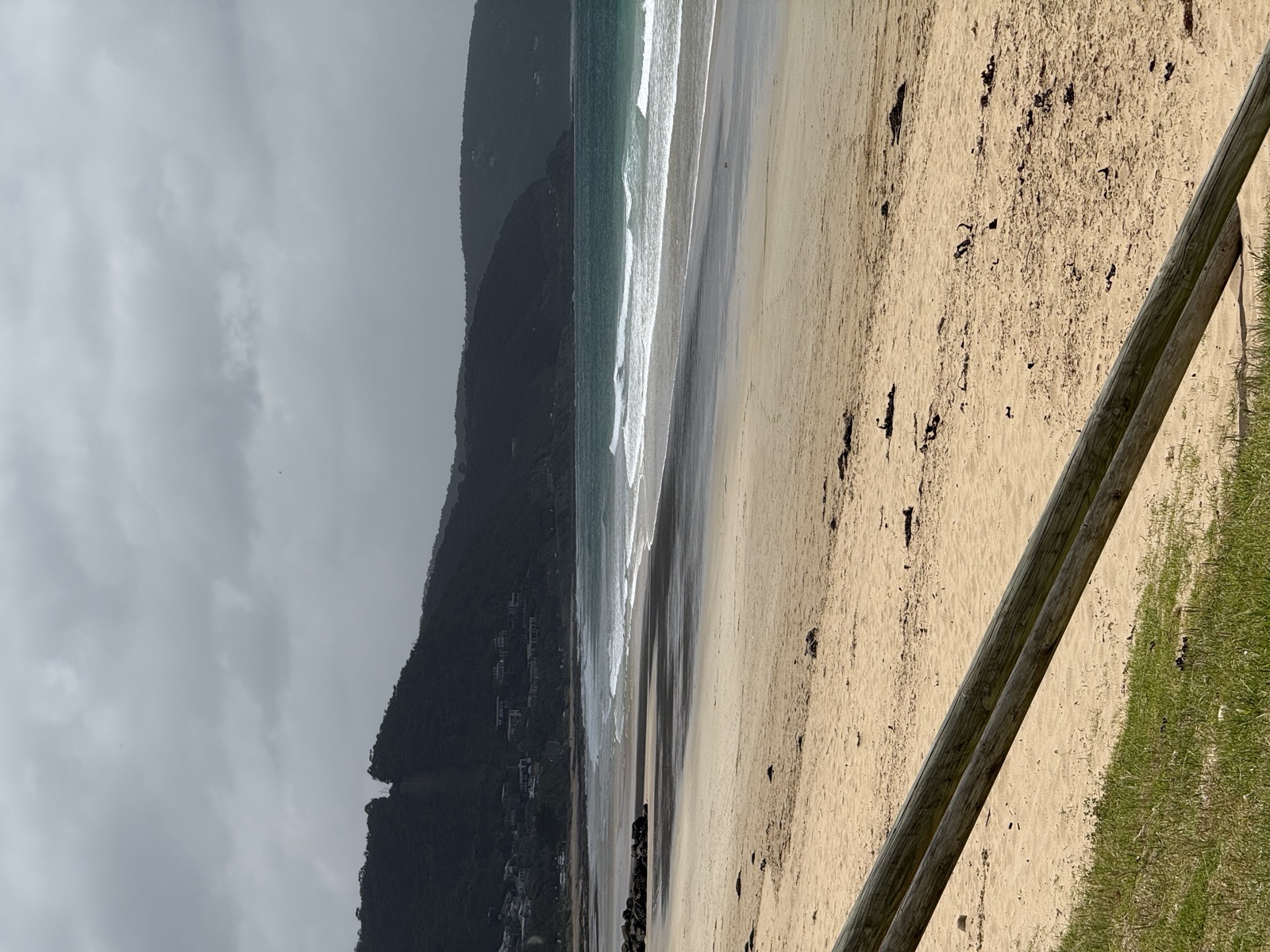
So, the car?
Let's be honest: to drive, the Jimny is nothing special. You sit up high, like in a little truck. The four-speed automatic is from another decade - slow, reluctant, shifting whenever it decides to. The 1.5 with its 102 horses doesn't pull; on climbs you drop a gear and practise patience. On every metric we usually judge a car by, it fails.
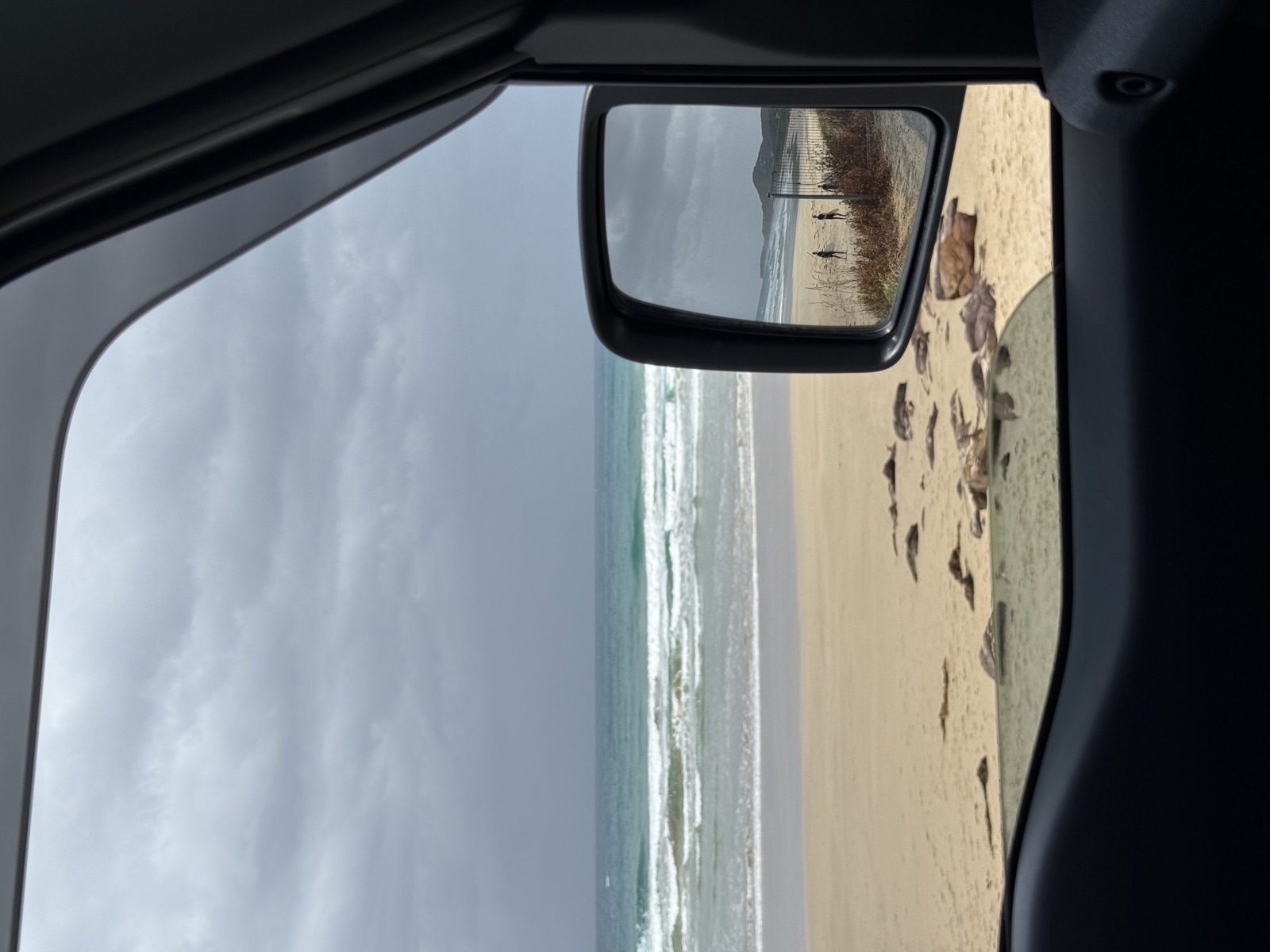
And yet. Every time we stopped - and we stopped constantly - I turned around to look at it. And every single time, without exception, it put a smile on my face.
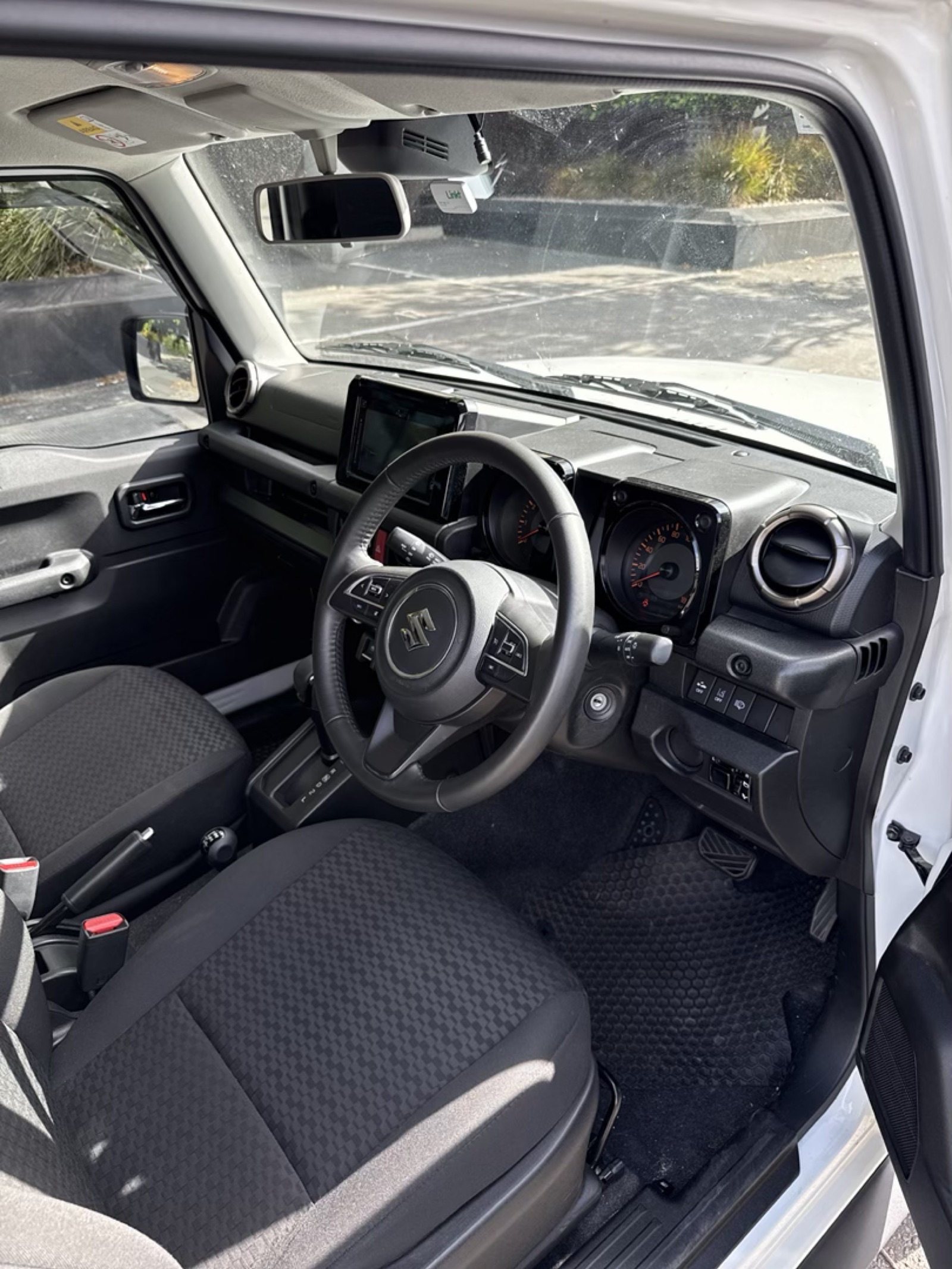
Here's the secret the Great Ocean Road taught us: on a road that exists for the view, the fast car is the wrong tool. It rushes you. The Jimny, with its 102 horsepower, forces you to travel at the speed of the landscape. You don't overtake the journey - you live it. After the 911's 450 horses, it took 102 to understand: some roads want speed, and some roads want time.
Albert Park, obviously
On the way back, there was no chance we'd skip Albert Park. For 51 weeks of the year, the road around the lake is a quiet public street with a 40 km/h limit - and for one week a year, it's the circuit of the Australian Grand Prix. We did a lap in the Jimny, fully legal, imagining the braking zones into Turn 3. Quite possibly the slowest lap ever recorded there. Definitely one of the happiest.
Comments
Sign in to comment
- No comments yet. Share your thoughts.
Related stories
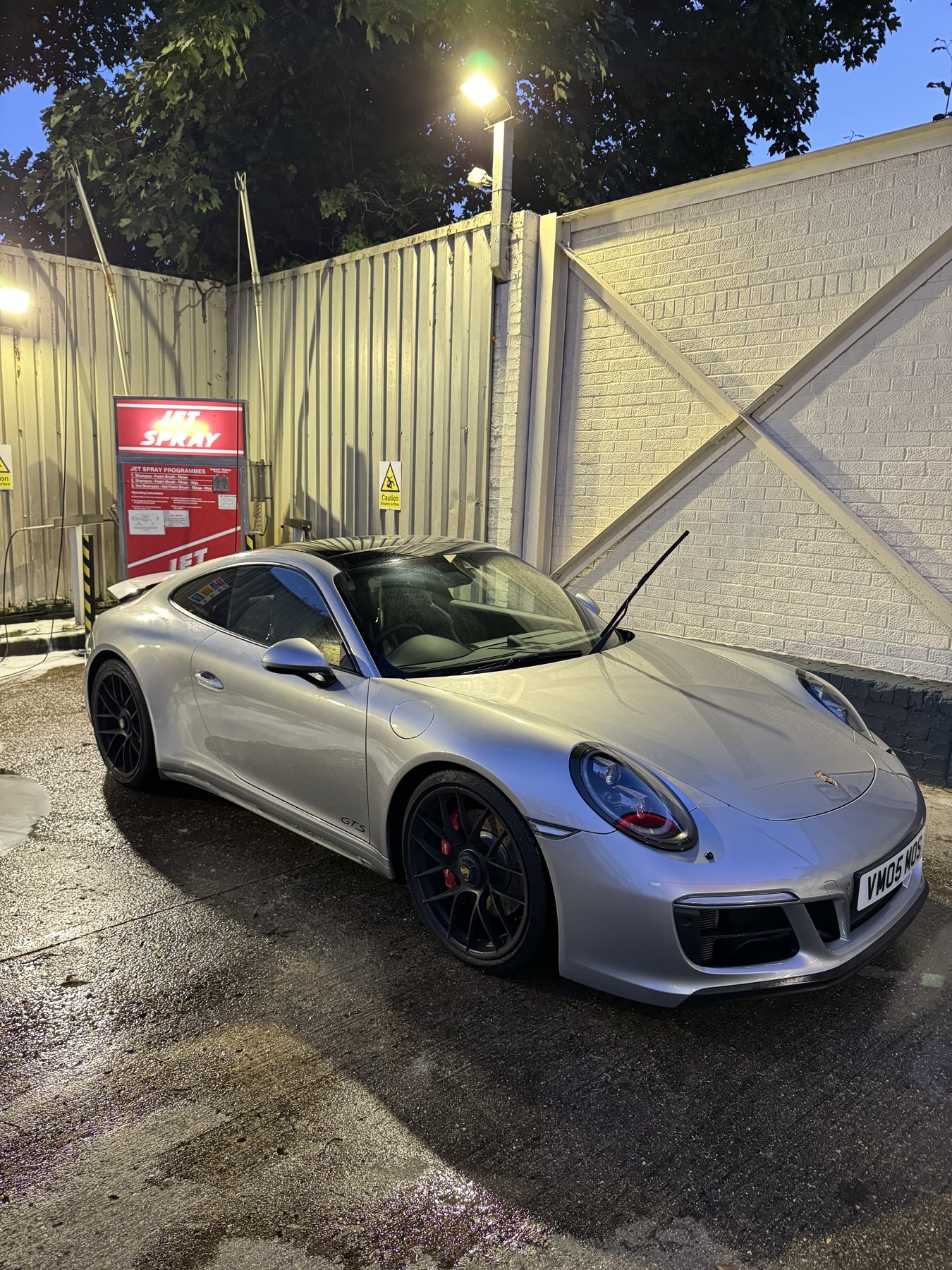
LONDON TO TUSCANY IN A PORSCHE 911: THE ROAD TRIP YOU HAVE TO DO ONCE IN YOUR LIFE
Fifteen days, 2,500 kilometres, a silver 911 Carrera GTS, and Alessandra in the passenger seat. From London, through the Eurotunnel, Paris and Burgundy, to the hairpins before Tuscany - with a stop at a French petrol station that nearly ended it all. Part one of two.Read the story
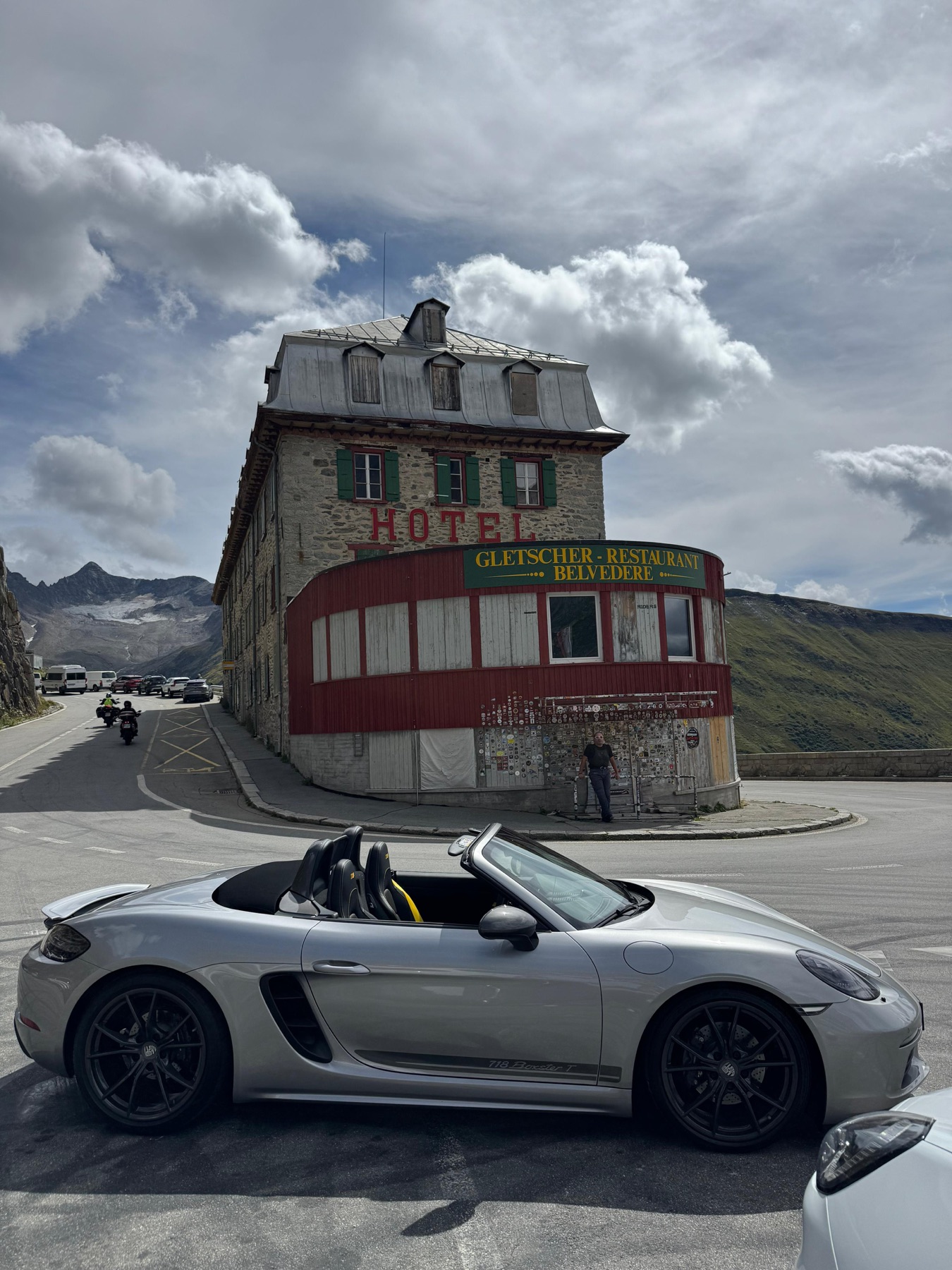
I WENT TO GERMANY MYSELF TO COLLECT THE PORSCHE. I WOULD NEVER PAY SOMEONE TO BRING IT TO ME.
How hard is it really to import a car from Germany yourself? The story of my third personal import - Autobahn, Swiss passes and a ferry across the Adriatic - and everything you need to know before you bring your own.Read the story
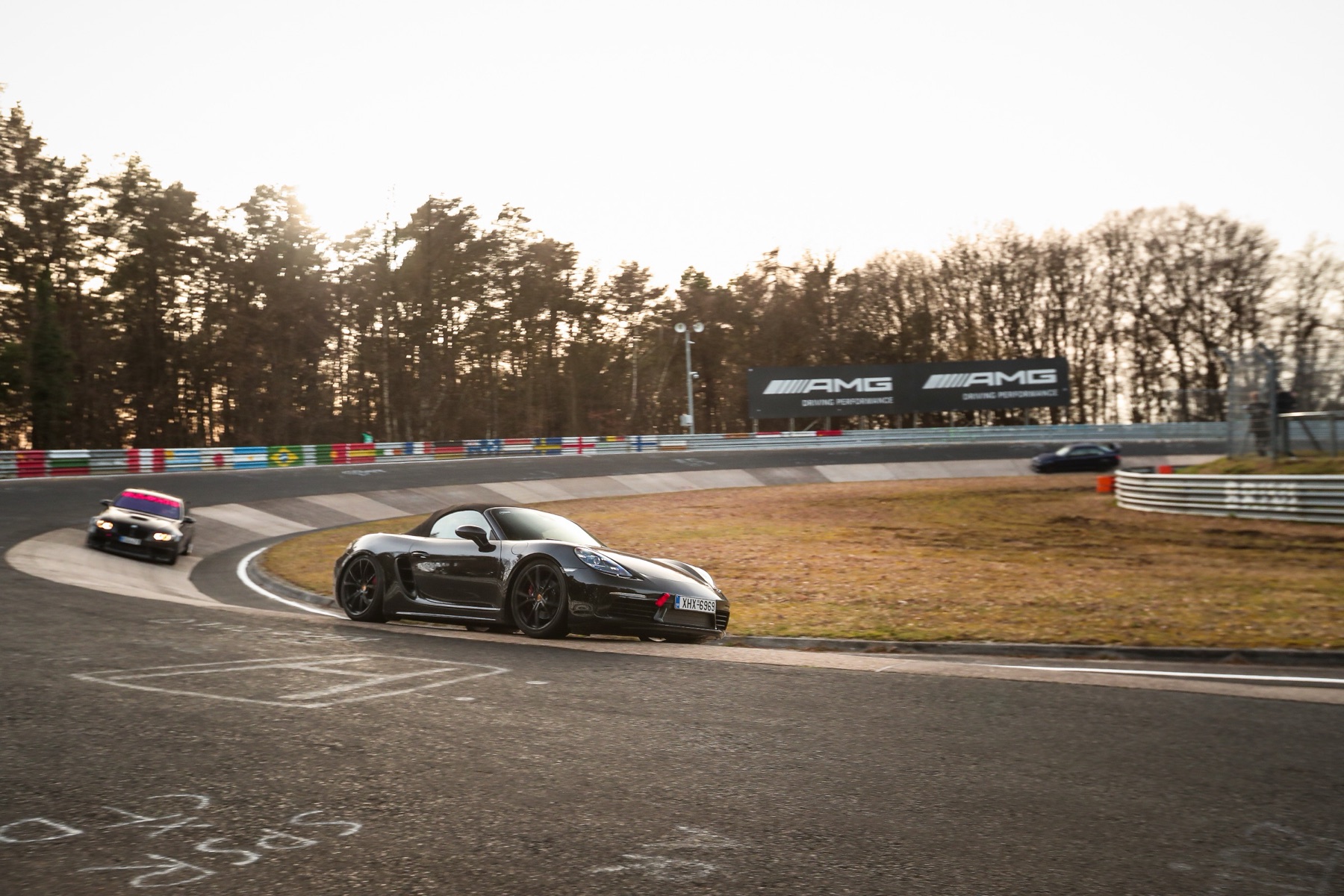
THE NÜRBURGRING IS CLOSER THAN YOU THINK - A ROAD TRIP FROM GREECE TO THE GREEN HELL
Costs, the route, practical tips - everything I wish I'd known before setting off, and the stories no onboard video can show you. The Nürburgring is closer than you think.Read the story
If you'd like to write your own story - submit it here